
Creatine: The Complete Guide
The science-backed benefits, dosage and best practices — for strength, muscle and the brain.
Creatine is the most researched sports supplement on the planet — and the science now reaches far beyond the gym.
With over 1,000 published studies spanning more than three decades, creatine has earned a reputation as one of the few supplements that genuinely works. Most people know it for strength and muscle. Fewer realise the growing body of evidence for what it does for the brain — memory, mental fatigue, sleep deprivation and healthy ageing. This is the complete, no-hype guide to what creatine is, how it works, what it does for your body and mind, and exactly how to use it.
Increases StrengthEnhances high-intensity performance
Builds MuscleSupports lean mass gains
Improves CognitionSupports brain function
Boosts EnergyIncreases ATP production
Enhances RecoveryReduces muscle damage & soreness
Safe & Well-StudiedDecades of research
What Is Creatine?
Creatine is a naturally occurring compound made from three amino acids — arginine, glycine and methionine. Your body produces around 1–2 grams a day in the liver, kidneys and pancreas, and you get more from red meat and fish. About 95% of the body’s creatine is stored in skeletal muscle as phosphocreatine, with small but important amounts in the brain.
It is not a steroid, a stimulant or a hormone. It is simply a fuel-recycling molecule — and supplementing it tops up stores that diet alone rarely fills, especially for vegetarians and vegans who take in very little through food.
How It Actually Works
Every explosive effort — a heavy lift, a sprint, a jump — is powered by ATP (adenosine triphosphate), the cell’s energy currency. The problem: muscles only hold a few seconds’ worth of ATP. When ATP is used, it becomes ADP, and your body uses phosphocreatine to rapidly regenerate ATP back from ADP.
Supplementing creatine increases the size of that phosphocreatine reservoir by roughly 20–40%. In practice that means more rapid energy for high-intensity bursts, the ability to squeeze out an extra rep or two, faster recovery between sets, and — over weeks — more total training volume. More quality work done equals more adaptation. The same energy-buffering system also operates in the brain, which is the basis for creatine’s cognitive effects.
Muscle, Strength & Performance
This is the most established benefit, supported by hundreds of trials and multiple meta-analyses:
- Strength & power: Creatine combined with resistance training improves strength gains by roughly 5–15% more than training alone.
- Lean muscle: Users typically gain more lean mass over a training block — partly real muscle protein, partly increased water held inside the muscle cell (which itself may signal growth).
- High-intensity capacity: Better repeated-sprint performance and more reps before failure.
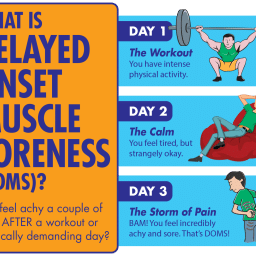
- Recovery: Reduced markers of muscle damage and soreness, and better glycogen replenishment after hard sessions.
The early “water weight” of 1–2 kg in the first couple of weeks is normal cellular hydration, not fat — and that intramuscular water is part of how creatine works, not a side effect to avoid.
The Brain Benefits — Creatine & Cognition
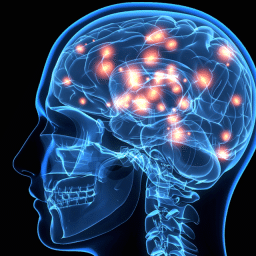
This is where the most exciting recent research sits. The brain is an enormous energy consumer, and like muscle it relies on the ATP–phosphocreatine system. When the brain is energetically stressed — by lack of sleep, ageing, mental fatigue or low dietary creatine — topping up brain creatine appears to help it cope.
Memory & processing
A 2018 systematic review concluded that creatine supplementation can improve short-term memory and reasoning in healthy adults, with the clearest effects in people under metabolic stress. Benefits tend to be most pronounced in older adults and in vegetarians/vegans, whose baseline brain creatine is typically lower.
Sleep deprivation & mental fatigue
Some of the strongest signals come from sleep-deprived states. Studies show creatine can blunt the drop in cognitive performance and mood that comes with poor or missed sleep — useful for shift workers, new parents, students and anyone training hard on limited rest.
Healthy ageing
Brain creatine and the efficiency of brain energy metabolism decline with age. Combined with its proven benefits for preserving muscle and strength in older adults, creatine is increasingly viewed as a healthy-ageing supplement, not just a sports one.
Mood & resilience
Early research suggests creatine may support mood and act as a helpful adjunct alongside standard treatment for low mood in some people, likely via the same brain-energetics pathway. This is promising but still emerging — it is not a treatment for depression and should never replace medical care.
Other Emerging Benefits
- Bone & healthy ageing: When paired with resistance training, creatine may support bone and help preserve function in older adults.
- Glucose management: Some evidence that creatine plus exercise improves how muscles take up glucose.
- Women across the lifespan: Research increasingly supports creatine for women — for performance, and potentially around hormonal transitions such as menopause.
- Hydration & heat: Better cellular hydration can be advantageous when training in the heat.
How To Take It — Dosing & Protocol
The simple, proven protocol
- Daily dose: 3–5 g of creatine monohydrate, every single day — training days and rest days.
- Loading (optional): 20 g/day split into 4 doses for 5–7 days saturates muscles faster. Skip it and 3–5 g daily reaches the same saturation in 3–4 weeks.
- Timing: Doesn’t make or break it. A slight edge for taking it around your workout (post-workout with a meal). Otherwise, any time you’ll remember.
- With food: Taking it with carbs/protein can modestly improve uptake.
- Brain-focused: If cognition is the goal, the upper end (5–10 g) may be more effective.
- Consistency is everything: Benefits come from saturated stores, which depend on taking it daily — not on any single dose.
Which Form?
Save your money: creatine monohydrate is the gold standard. It is the most studied, the most effective and the cheapest. Fancier forms — hydrochloride (HCl), buffered “Kre-Alkalyn”, ethyl ester, liquid creatine — are marketed as superior but have never been shown to beat monohydrate, and some are worse. Micronised monohydrate simply dissolves a little better. Look for Creapure® if you want a tested, high-purity source.
Is It Safe?
Creatine is one of the most thoroughly safety-tested supplements available. In healthy people, long-term use (studies out to 5 years) shows no harmful effects. Let’s kill the myths:
FACT: In healthy individuals there is no evidence of kidney harm. Creatine slightly raises blood creatinine (a by-product), which can look like a kidney marker on a test but does not reflect actual damage — tell your doctor you supplement so results are read correctly. Those with existing kidney disease should check with a doctor first.
FACT: Based on a single small 2009 study showing a rise in a hormone (DHT) — not actual hair loss, and never replicated. The evidence for hair loss is essentially non-existent.
FACT: Early weight gain is water held inside muscle cells, not fat and not under-skin bloat. It is part of the mechanism.
FACT: No need. Daily continuous use keeps stores topped up.
The only common, mild issue is stomach upset from taking a large dose at once on an empty stomach — easily solved by splitting the dose and taking it with food.
Who Should Consider It?
- Anyone doing resistance training or high-intensity sport who wants more strength, power and lean mass.
- Vegetarians and vegans — low dietary intake means they often respond the most, body and brain.
- Older adults — for muscle, strength, bone and cognitive support alongside training.
- Anyone chasing cognitive performance under stress — poor sleep, heavy mental workload.
Quick FAQ
Do I need to load?
No. Loading just saturates faster (about a week vs 3–4 weeks). Both reach the same end point.
Can I take it with coffee?
Yes. The old “caffeine cancels creatine” idea came from one study and isn’t a practical concern — pre-workouts routinely combine both.
Will it work without training?
For muscle, the big gains come with training. For brain and general benefits, daily dosing still raises stores.
When will I notice it?
Strength and fullness within 2–4 weeks of consistent use. Cognitive effects are subtler and build over time.
Key Takeaways
- Creatine monohydrate is the most proven, safest and cheapest performance supplement there is.
- 3–5 g daily, consistently — loading is optional, timing is minor.
- Major, settled benefits for strength, power, lean muscle and recovery.
- Growing, credible evidence for the brain — memory, mental fatigue, sleep deprivation and healthy ageing.
- Especially valuable for vegetarians/vegans and older adults.
- Safe long-term in healthy people; the kidney and hair-loss scares are myths.
Selected References
- Kreider RB, et al. International Society of Sports Nutrition position stand: safety and efficacy of creatine supplementation. JISSN, 2017.
- Avgerinos KI, et al. Effects of creatine supplementation on cognitive function of healthy individuals: a systematic review of randomized controlled trials. Experimental Gerontology, 2018.
- Rae C, et al. Oral creatine monohydrate supplementation improves brain performance: a double-blind, placebo-controlled, cross-over trial. Proc. Royal Society B, 2003.
- Roschel H, et al. Creatine supplementation and brain health. Nutrients, 2021.
- Antonio J, et al. Common questions and misconceptions about creatine supplementation. JISSN, 2021.
- Candow DG, et al. Creatine supplementation and aging musculoskeletal health. Endocrine / related reviews.
- Smith-Ryan AE, et al. Creatine supplementation in women’s health. Nutrients, 2021.
Disclaimer: This article is for general education and is not medical advice. Supplements affect people differently. If you are pregnant, have a kidney condition or take medication, speak to a qualified healthcare professional before starting creatine.
Want a plan built around you?
Bespoke training and nutrition from a 3× UK award-winning personal trainer.