
Red Light Therapy
The biohacker’s ultimate guide to red light, near-infrared and photobiomodulation — how it really works, what it’s genuinely brilliant for, what’s pure hype, and how to stack it with methylene blue for next-level results.
Right then — let’s talk about the glowing red panel that’s gone from a weird gadget in a biohacker’s garage to standard kit in elite gyms, physio clinics and skincare clinics everywhere.
I’m Pete, and if you’ve read my other rabbit-hole guides on methylene blue, ice baths & saunas or creatine, you’ll know how I roll: I get genuinely excited about this stuff and I tell you the honest truth about what the science does — and doesn’t — back up. Red light therapy is one of my favourite tools on the planet. It’s also wrapped in more Instagram nonsense than almost anything else in wellness. So this is the no-snake-oil version.
Buckle up. By the end of this you’ll understand exactly what red light does to your cells, the dose that actually works, and the legendary methylene-blue stack the hardcore crew whisper about. Oushhhhh.
What Red Light Therapy Actually Is
The proper science name is photobiomodulation (PBM) — you’ll also see the older terms low-level laser therapy (LLLT) and just “red light therapy” (RLT). It means using specific wavelengths of red and near-infrared light to trigger helpful changes inside your cells. Crucially, it’s non-thermal and non-ionising: it isn’t burning you and it’s nothing like UV. This is light as a signal, not light as heat.
The whole game comes down to wavelength:
- Red light (~630–660 nm): visible deep-red. Mostly absorbed near the surface — brilliant for skin, collagen and surface wounds.
- Near-infrared / NIR (~810–850 nm): invisible to your eye. Your tissues absorb less at these longer wavelengths, so more photons punch deeper — into muscle, tendon and joints. This is your wavelength for deep recovery.
- Far-infrared (the saunas): a totally different beast. Far-IR is basically radiant heat — it warms you and makes you sweat. It is NOT photobiomodulation and works by a completely different mechanism. People constantly lump infrared saunas and red light panels together; they’re cousins, not twins.
The best panels combine 660 nm + 850 nm so you get surface and depth in one session. Simple.
How It Works — Your Mitochondria On Light
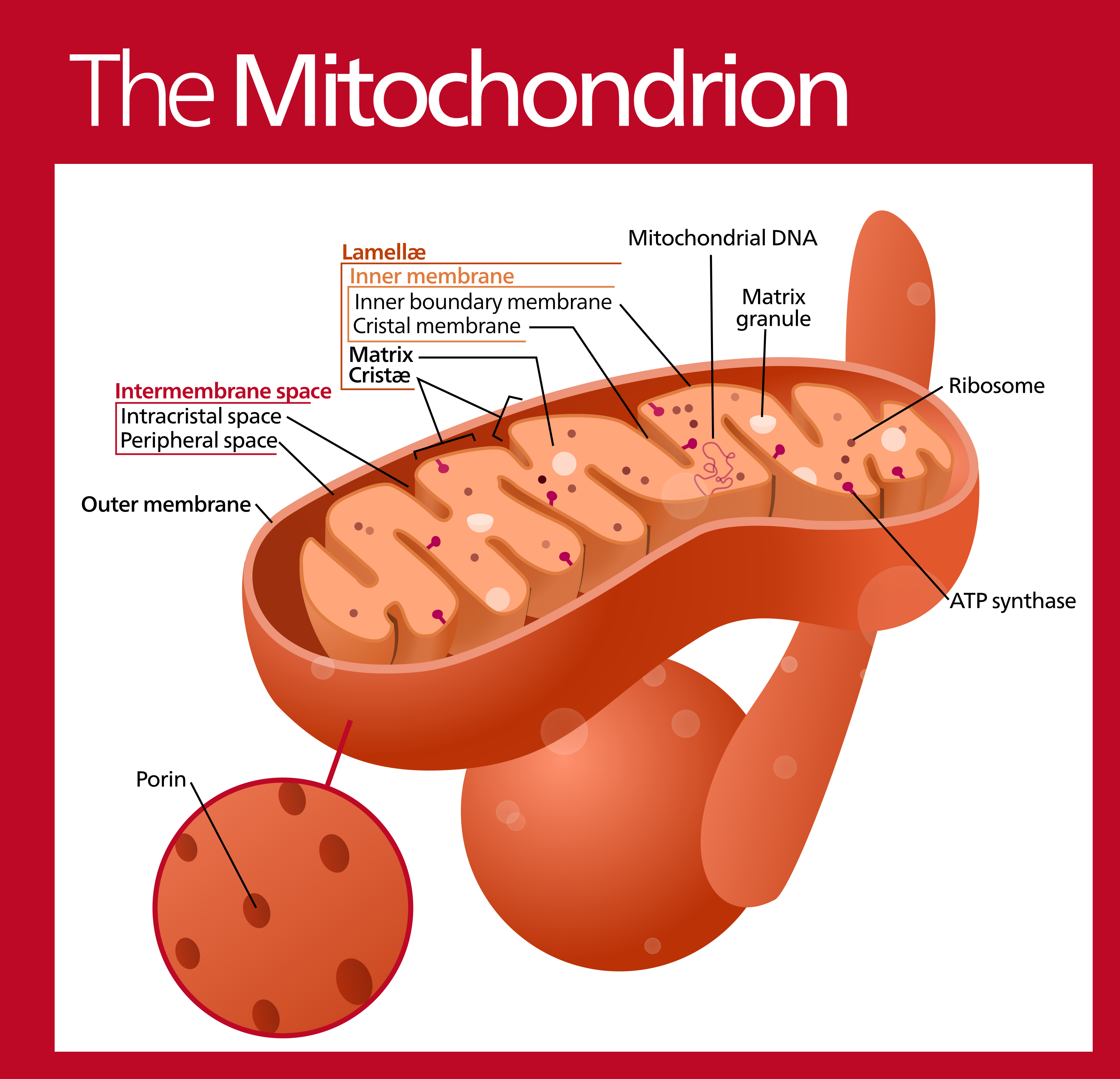
Here’s the part that made me fall in love with it. The main “antenna” for red and near-infrared light in your body is an enzyme called cytochrome c oxidase (CCO) — Complex IV of the electron transport chain, sitting right at the business end of your mitochondria (your cellular power plants). CCO is stuffed with copper and heme centres that strongly soak up red/NIR light (Hamblin, Photochemistry & Photobiology, 2018).
The leading model goes like this:
- When a cell is stressed, nitric oxide (NO) binds to CCO and basically chokes the engine.
- Red/NIR photons knock that NO loose, unblocking the enzyme.
- The electron chain speeds back up → more ATP (energy), a tiny beneficial burst of signalling molecules, and released NO that improves local blood flow.
More energy in the cell, better circulation, a nudge toward repair. That’s the magic in one sentence.
What The Science Actually Says
This is where I lose patience with the internet. Red light is genuinely brilliant for some things and total wishful thinking for others. Let’s traffic-light it.
Skin & CollagenStrong evidence
Muscle RecoveryStrong evidence
Hair RegrowthStrong (FDA-cleared)
🟢 Strong evidence
- Skin, collagen & anti-ageing. The standout trial (Wunsch & Matuschka, 2014) treated 136 people and measured a real increase in collagen density on ultrasound, plus fewer wrinkles and 70–85% satisfaction. One of the best-supported uses, full stop.
- Muscle recovery & DOMS. A 2024 meta-analysis of 34 randomised trials found light before exercise improved muscle endurance and recovery, with lower muscle-damage markers. Reviews report soreness cut by roughly 40% in some studies.
- Hair growth. The most regulated win — red-light/LLLT devices hold FDA clearance for pattern hair loss, with meta-analyses showing real density gains over 3–6 months.
- Wound healing. A long, solid track record; multiple PBM devices are FDA-cleared for it.
🟡 Moderate / promising
- Joint pain & inflammation. For knee osteoarthritis, meta-analyses of placebo-controlled trials show meaningful pain relief — though dosing matters a lot and it’s not yet in mainstream OA guidelines.
- Mood & depression. Transcranial near-infrared trials (the ELATED series) and a 2024 meta-analysis of 11 trials found genuine antidepressant effects with moderate effect sizes. Early but exciting.
- Sleep & circadian rhythm. Red wavelengths in the evening don’t smash your melatonin the way blue light does, and small studies show improved sleep quality. Mechanistically sound, evidence still thin — file under “promising”.
How To Use It — Dose, Distance, Timing
This is where most people get it wrong, because red light follows the biphasic dose-response (the Arndt-Schulz curve): too little does nothing, a sweet spot helps, and too much can actually reverse the benefit. With light, more is NOT better. Tattoo that on your brain.
Pete’s simple protocol
- Distance: most panels are designed for roughly 15–30 cm (6–12 inches) from the skin. Check the maker’s stated power at a stated distance.
- Session length: 10–20 minutes per area. Longer isn’t better.
- Frequency: 3–5x a week, or short daily bouts. Benefits stack over weeks — skin and hair results show up at 4–12 weeks.
- Wavelength: 660 nm for skin, 850 nm for deep muscle/joints — ideally a panel with both.
- Timing: before training for performance; after (within 2–4 hours) for recovery. Morning light supports your body clock; evening red/NIR won’t wreck your melatonin like blue screens do.
The Biohacking Stack 🧪⚡
Right — the fun bit. Red light is great solo, but it gets spicy when you stack it with other mitochondrial levers. Here’s how the serious crew layer it up.
Methylene blue + red light — the flagship combo
This is the pairing everyone whispers about, and the logic is genuinely beautiful: it’s a double hit on the same target.
- Red light unblocks and energises cytochrome c oxidase (Complex IV).
- Methylene blue acts as an alternative electron carrier inside the mitochondria — at low doses it can shuttle electrons straight to cytochrome c, effectively bypassing sluggish earlier steps and keeping the chain moving.
Early research (e.g. a 2015 study on low-dose MB + near-infrared light) found the pair protective against neurodegeneration, and reviews describe them as complementary mitochondrial supports. Methylene blue even absorbs light around 660 nm, which is part of why the combo is theorised to be more than the sum of its parts. I dig into MB properly in my full methylene blue guide — read that before you go near it.
The rest of the stack
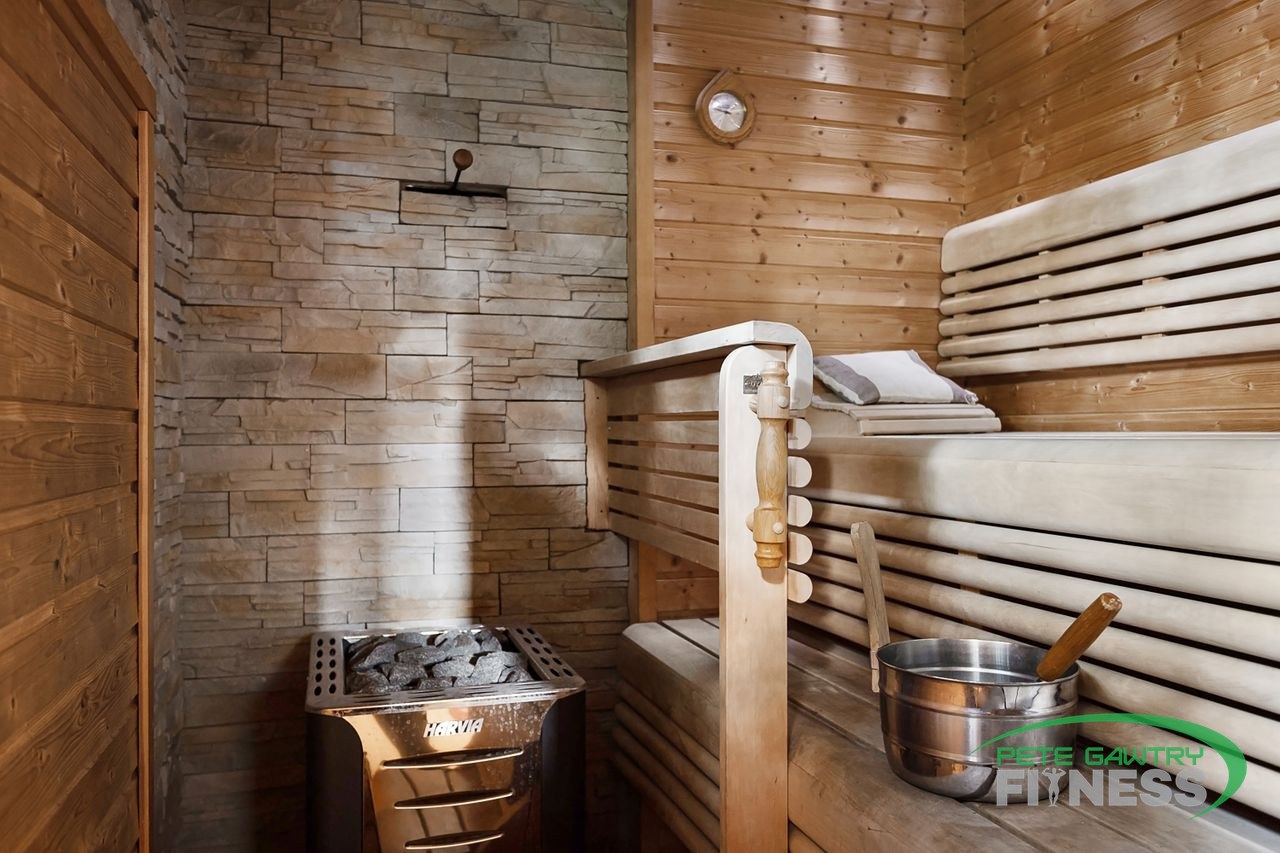
- Infrared sauna: heat-shock proteins, cardio conditioning and a proper sweat. Different mechanism to red light (heat vs cell-signalling), so they complement each other beautifully for recovery — more in my hot & cold guide.
- Cold exposure: brilliant — but a note on timing. Cold immediately after lifting can blunt muscle growth, so on heavy training days lean on red light for recovery and save the ice for rest days.
- Creatine: the most evidence-backed supplement going, topping up your cellular energy currency. Pairs perfectly with the ATP angle of red light.
- NAD+ precursors & morning sunlight: NAD+ is the fuel the chain runs on; morning sun sets your body clock and gives you natural red/NIR at dawn. Free, and underrated.
Safety & Who Should Skip It
Red light has an excellent safety record at sensible doses — but let’s be grown-ups about it.
- Protect your eyes. Don’t stare into the panel. Wear the supplied goggles for face/upper-body sessions, or keep your eyes shut and look away.
- Avoid if: you have an active cancer or suspicious lesion in the treatment area, or photosensitive epilepsy.
- Check with a doctor first if: you’re pregnant (don’t treat over the bump), take photosensitising medication (some antibiotics, amiodarone, certain retinoids), have lupus or another photosensitive condition, or have an overactive thyroid (caution over the neck).
- Side effects are usually nothing more than mild redness, warmth or an occasional headache from overdoing it.
Buying Guide — What Actually Matters
Don’t get fleeced
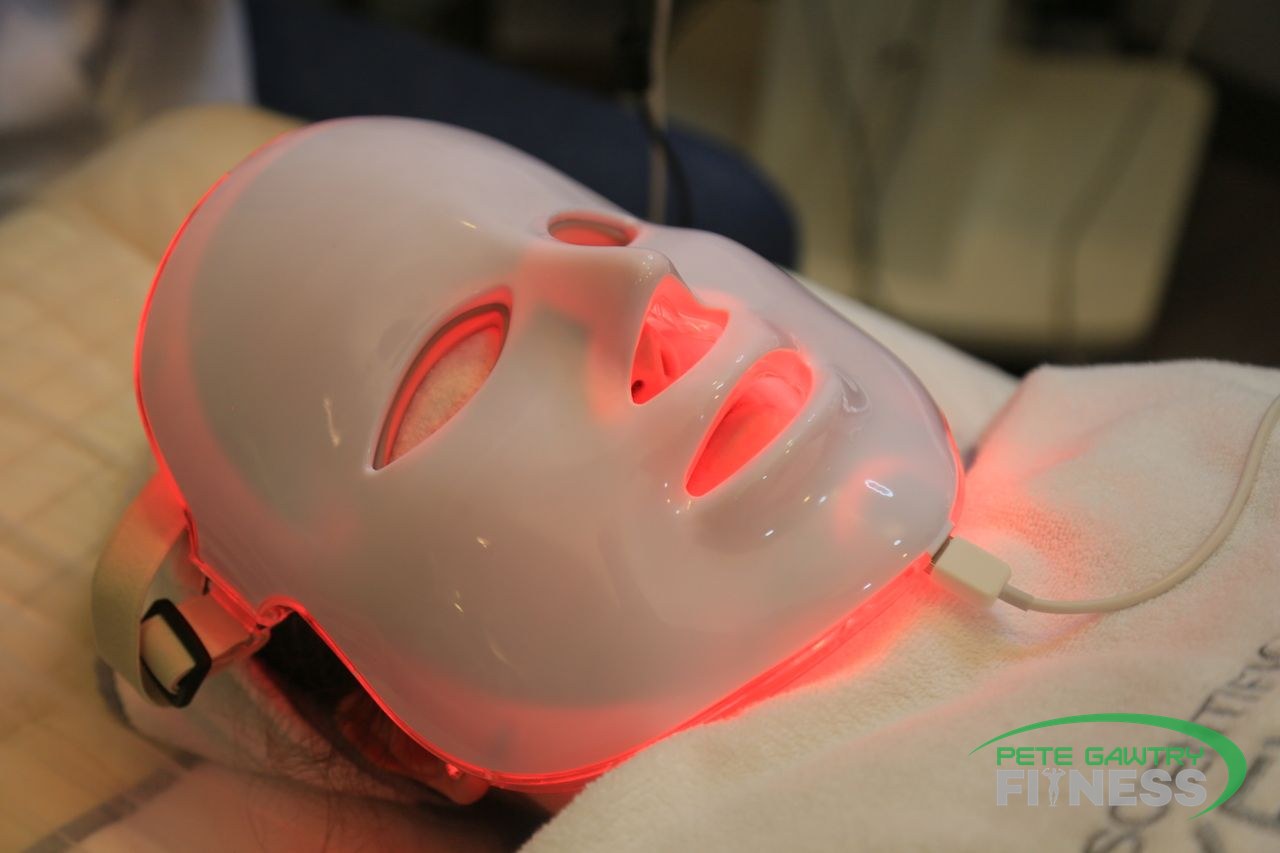
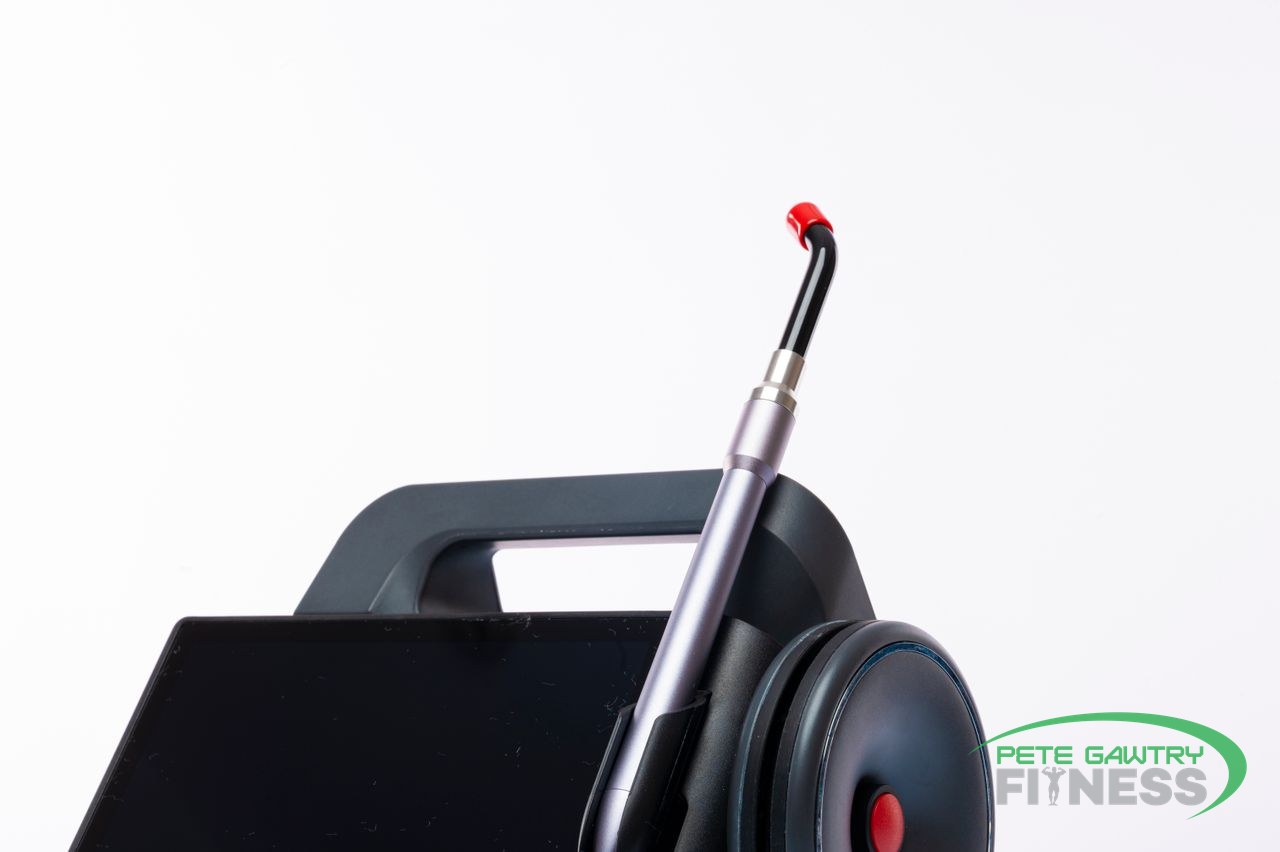
- Form factor: panels = best value and power for whole-body/recovery; masks = handy for skin/face; handhelds = cheap spot-treatment for a joint or patch of scalp.
- Real wavelengths: look for genuine 660 nm + 850 nm (some add 630/810). Don’t trust the marketing colour — check the spec.
- Irradiance stated at a real distance: a credible brand publishes mW/cm² at, say, 15 cm. “No stated power” is a red flag — so is a giant number quoted at zero distance.
- Low flicker & low EMF: flicker can cause headaches on long sessions; reputable panels publish low EMF at use distance.
- Eye protection included + independent spec testing. Be very wary of ultra-cheap panels with wild claims and no spec sheet.
Quick Myth-Busting
Truth: Saunas use far-infrared heat; red light therapy uses red/NIR as a non-thermal cell signal. Different tools.
Truth: Biphasic curve — overdoing it can cancel the benefit. Stick to 10–20 minutes.
Truth: Overstated — weak human evidence at home-panel doses. Train and eat for fat loss; use light for recovery and skin.
Truth: Good LEDs deliver the same wavelengths for nearly all home uses.
Red Light Therapy FAQ
Is red light therapy actually scientifically proven?
Yes for several uses — skin/collagen, hair regrowth, muscle recovery and wound healing have randomised-trial and meta-analytic support. Claims like fat loss and testosterone are weak at home-panel doses.
How long until I see results?
Recovery and soreness: same day to a few days. Skin and hair: typically 4–12 weeks of consistent use.
How often should I use it?
Most protocols: 10–20 minutes per area, 3–5 times a week.
Before or after a workout?
Before for performance, after (within 2–4 hours) for recovery — or both.
Can I overdo it?
Yes. The biphasic dose-response means too much can reduce the benefit. Stick to the recommended times.
Do I need eye protection?
Don’t stare into it; wear the goggles for face and upper-body sessions.
Is it safe in pregnancy?
Not over the abdomen — get medical clearance first.
What is the methylene blue stack?
Combining a low dose of pharmaceutical methylene blue (an alternative mitochondrial electron carrier) with red light to double down on mitochondrial energy. Promising in early research — but never combine MB with antidepressants/SSRIs/MAOIs, avoid with G6PD deficiency, and see a clinician first.
660 nm or 850 nm — which do I need?
660 nm for skin, 850 nm for deep muscle and joints — ideally a panel with both.
LED or laser?
LEDs work well for home use; lasers are mainly for focused clinical applications.
Want To Biohack Your Body Properly?
Red light is one tool. Real, lasting results come from training, nutrition and recovery dialled in together — that’s exactly what I do with my 1-2-1 and online coaching clients.
References & Further Reading
- Hamblin MR. Mechanisms and Mitochondrial Redox Signaling in Photobiomodulation. Photochemistry & Photobiology, 2018.
- Hamblin MR, Liebert A. Photobiomodulation Therapy Mechanisms Beyond Cytochrome c Oxidase. Photobiomodulation, Photomedicine & Laser Surgery, 2022.
- Wunsch A, Matuschka K. A Controlled Trial to Determine the Efficacy of RLT on Collagen Density, Fine Lines and Wrinkles. Photomedicine and Laser Surgery, 2014.
- Huang YY, Hamblin MR, et al. Biphasic Dose Response in Low Level Light Therapy — an update. Dose-Response, 2011.
- Systematic review/meta-analysis (34 RCTs) on pre-exercise photobiomodulation and muscle performance/recovery, 2024.
- Meta-analysis of LLLT on pain and disability in knee osteoarthritis (placebo-controlled RCTs).
- Rojas JC, Gonzalez-Lima F, et al. Mitochondria as a Target for Neuroprotection: Methylene Blue and Photobiomodulation. 2020.
- Methylene blue & serotonin toxicity (MAO-A inhibition) — Anesthesia Patient Safety Foundation; Gillman, 2006.
Disclaimer: This article is for education and information only and is not medical advice. Red light therapy and supplements like methylene blue can interact with medications and health conditions. Always speak to a qualified healthcare professional before starting any new therapy, supplement or device — especially if you are pregnant, take prescription medication (particularly antidepressants), or have an existing health condition. Image credits: Pexels (Pexels License) and Wikimedia Commons (public domain / CC0).