
The MenopauseGuide
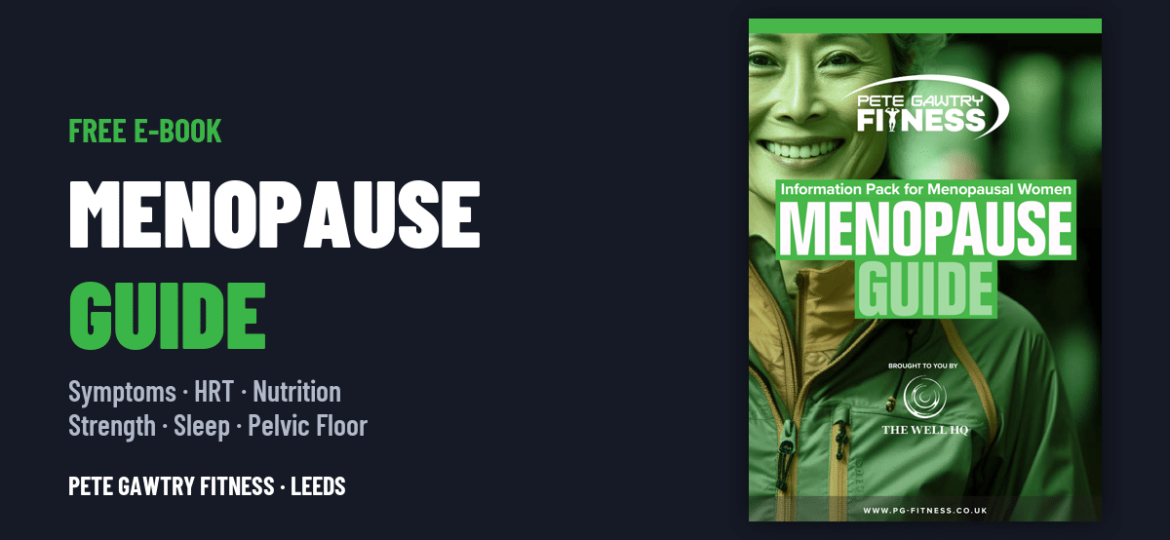
A clear, no-nonsense handbook for women navigating perimenopause and beyond — symptoms, HRT, nutrition, strength training, sleep and pelvic-floor health, all in one place.
Get the free e-book
Read the guide
Midlife isn’t the end of strong. It’s the start.
Menopause is one of the biggest transitions a woman’s body goes through — and one of the least talked about. The confusion is real: your body stops responding the way it used to, advice contradicts itself, and it’s hard to know who to trust.
This guide cuts through it. It pulls together the things that genuinely move the needle in midlife — understanding what’s happening, getting the right support, eating to feel well, and training in a way that protects your muscle, bone and confidence for the decades ahead. No fads. No fear-mongering. Just a practical, honest map you can actually follow.
The downloadable guide was written by The Well HQ — the leading women’s-health consultancy founded by Dr Emma Ross (former Head of Physiology at the UK Sports Institute), NHS GP Dr Bella Smith and ex-Team GB rower Baz Moffat — and produced for Pete Gawtry Fitness. The walk-through on this page is our plain-English summary; the full, expert-authored PDF is yours to download and keep.
You create them by starting things.
What’s inside
Understanding Menopause
Menopause is the point when your ovaries stop releasing eggs and your periods stop for good. But the word covers a much longer journey than that single moment — and knowing the stages helps everything else make sense.
The three phases
- Perimenopause — the lead-in, when hormones swing erratically and periods become irregular. It can last anywhere up to a decade, and it’s usually where symptoms hit hardest.
- Menopause — technically a single milestone: 12 months with no period (24 months if you’re under 45).
- Post-menopause — the rest of life beyond that point, where the focus shifts to long-term health: heart, bones and muscle.
It’s not always natural, either. Medical menopause can be triggered by treatment, and surgical menopause happens when the ovaries are removed — both can arrive suddenly rather than gradually.
Symptoms & Diagnosis
There are over thirty recognised symptoms, and they’re rarely just physical. The common ones include:
- Hot flushes and night sweats
- Irregular periods and disrupted sleep
- Brain fog, anxiety and low mood
- Joint pain, vaginal dryness and changing cravings
For most women over 45, menopause is diagnosed on age and symptoms alone — blood tests usually aren’t needed, though they may be offered if you’re under 40.
Off-the-shelf kits rarely give an accurate picture. The better route is a proper conversation with a GP or nurse — ideally one linked to the British Menopause Society, NHS or private — rather than self-diagnosis.
Treatment & HRT
Every woman’s menopause is different, so treatment has to be individual. Your needs, your preferences and your personal risk profile all matter — and the best approach is usually a holistic one.
- Hormone Replacement Therapy (HRT) — replaces the hormones your body is losing. For many women it eases symptoms in the short term and offers longer-term benefits for bone and heart health. Always discuss it with a medical professional.
- Non-hormonal options — including certain medications, for women who can’t or prefer not to take HRT.
- Practical and lifestyle support — from breathable clothing for hot flushes to therapy, nutrition and exercise.
Medication and lifestyle aren’t an either/or. The women who do best usually combine the right medical support with daily habits that work with their changing body.
Lifestyle & Sleep

Falling oestrogen, progesterone and testosterone don’t just affect periods — they disturb your body’s whole sense of rhythm. Lower oestrogen can drive night sweats; lower progesterone strips out a natural calming influence; cortisol rises while melatonin falls. The result, for many women, is broken sleep right when they need it most.
Sleep hygiene 101
- Keep a consistent routine — a fixed “lights out” trains your body clock.
- Cool, dark, comfortable bedroom — and no tech in it.
- Avoid caffeine, nicotine and alcohol within six hours of bed.
- Skip heavy late meals and daytime naps.
- Wind down deliberately — a bath, a book, quiet music.
- Exercise helps sleep — but if a late session is keeping you up, adjust the timing rather than dropping it.
Nutrition in Midlife

Nutrition becomes a genuine tool in menopause — not for chasing a number on the scales, but for managing symptoms and protecting long-term health.
The essentials
- Drink more water than you think you need.
- Build every meal around protein — it supports muscle and keeps you fuller.
- Prioritise home-cooked meals over fast food where you can.
- Keep alcohol in check.
- Aim for balance — the 80/20 rule leaves room for real life.
Eat for your symptoms
- Hot flushes — soy foods like edamame and tofu may help.
- Skin & bone — omega-3 from oily fish such as sardines.
- Brain fog — magnesium-rich greens, nuts and seeds.
- Digestion — fibre from chia, flax and wholegrains (build it up gradually to avoid bloating).
Time-restricted eating is popular, but it isn’t usually the best fit during menopause. Your body is already managing big hormonal shifts — adding more stress can backfire. Focus on nourishment and steady energy first.
Moving in Midlife

Before we even talk about “training”, we have to talk about movement — the most underrated health-giver there is. You don’t need perfection. You need to move, little and often, on the right side of enough.
- Sit less, move more — break up the day with standing, stretching and walking.
- Get outside before midday — morning daylight sets your body clock and helps you sleep.
- Get into nature — even a tree-lined walk counts; treat it as time for you.
- Don’t over-move — a day of constant gentle movement beats sitting still then smashing one session.
- Restorative movement — yoga, Tai-Chi, swimming, paddle-boarding: things that fill your cup.
Strength Training
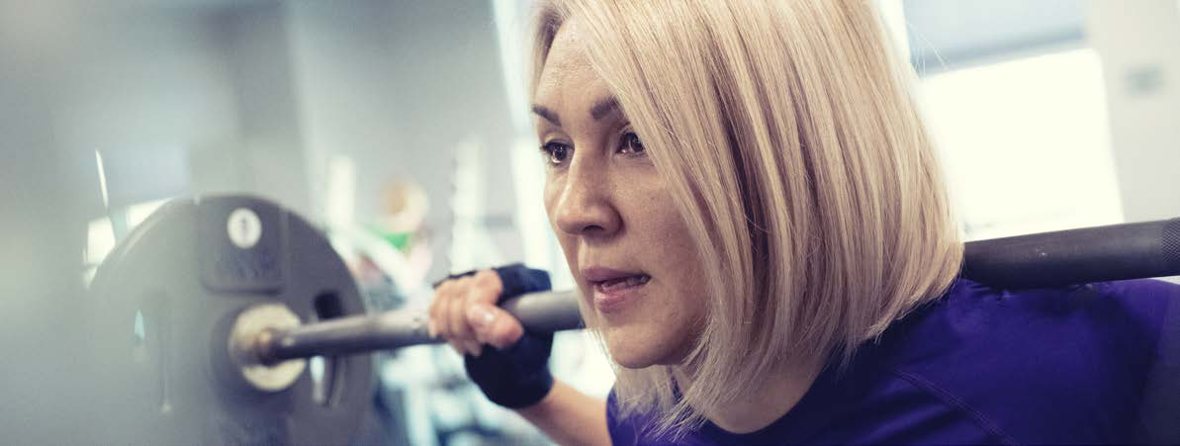
If there’s one thing to take from this guide, it’s this: strength training is non-negotiable in midlife. As oestrogen falls, muscle and bone density decline — and lifting is the most effective way to fight back.
Why it matters
- Maintains muscle mass against age-related decline
- Improves bone density and lowers osteoporosis risk
- Boosts a slowing metabolism and helps manage weight
- Lifts mood through endorphins
- Improves balance and coordination — fewer falls later in life
How to start safely
- Warm up — 5–10 minutes of brisk walking or light cardio, every time.
- Frequency — aim for 3 sessions a week with a rest day between.
- Reps — start with 1–2 sets of 10–12, then progress to lifting heavier with great technique rather than endless light reps.
- Cool down — it helps you recover and manage the stress of a busy midlife.
Pelvic-Floor Health
Pelvic-floor problems are common, under-discussed, and very treatable. At least 1 in 3 UK women experience them, and falling oestrogen in midlife can bring symptoms even if you never had them before.
- Urgency — sudden, intense need to go; caffeine, alcohol and sugar can trigger it.
- Leaking — often new in midlife; helped by pelvic-floor exercises and, where appropriate, topical oestrogen.
- Dryness or discomfort — a midlife-specific symptom that topical oestrogen can ease.
Don’t suffer in silence. Do your pelvic-floor exercises daily — symptomatic or not — and if issues persist, ask your GP to refer you to a Women’s Health Physiotherapist. Even a 10% reduction in excess weight can roughly halve symptom severity.
Resources & Support
The full e-book includes a curated list of the best places to go deeper — trusted organisations, expert-led podcasts and books from the leading voices in women’s health, including the British Menopause Society, Menopause Matters and specialists like Dr Louise Newson and Davina McCall’s Menopausing.
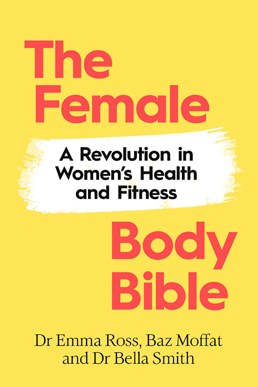
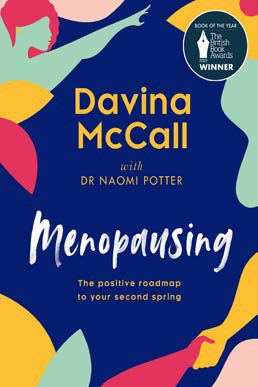
Recommended reading featured in the guide. Photography & guide © The Well HQ.
Get the full Menopause Guide
Pop in your email and we’ll send you the complete 9-chapter PDF to keep — plus occasional, genuinely useful midlife health tips. Unsubscribe anytime.
Want a plan built around your midlife?
Personal training and nutrition coaching in Leeds, tailored to menopause — strength, energy and confidence, done properly.
Menopause & fitness: your questions
Is it too late to start strength training in menopause?
What should I eat during menopause?
Will exercise help with hot flushes and sleep?
Do I need HRT?
Is the guide really free?
Who’s behind this
HQ
Guide authored by The Well HQ
The downloadable Menopause Guide is the expert-authored work of The Well HQ — the women’s-health consultancy founded by Dr Emma Ross (former Head of Physiology, UK Sports Institute), NHS GP Dr Bella Smith and ex-Team GB rower Baz Moffat. It was produced for Pete Gawtry Fitness. thewell-hq.com
Shared by Pete Gawtry Fitness
Pete is a qualified personal trainer in Leeds, helping people train smarter and feel stronger at every stage of life — including tailored, menopause-aware coaching. He shares this guide so more women get evidence-based support.