

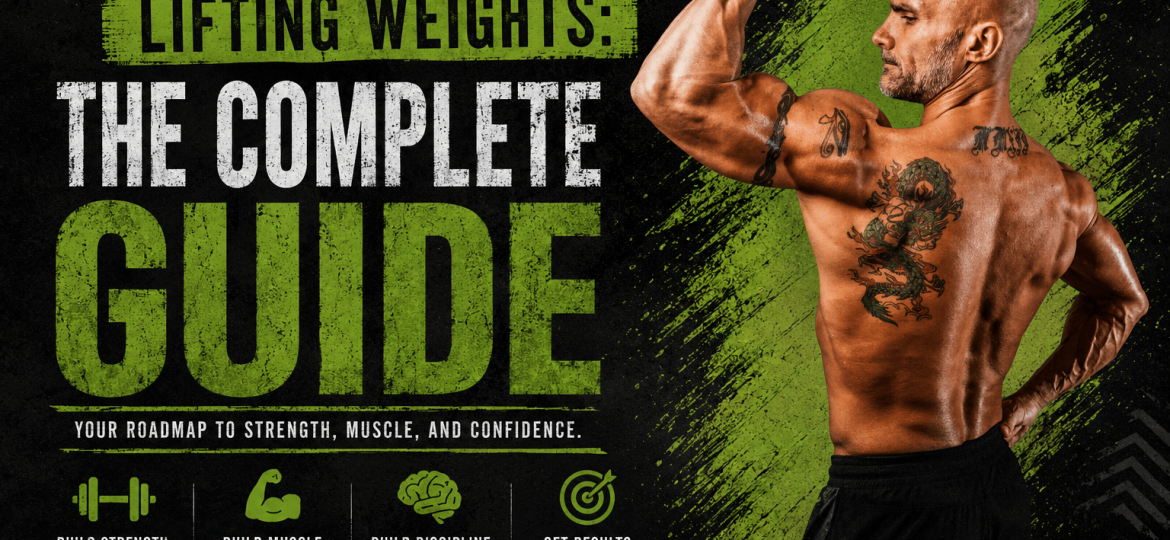
Lifting Weights: The Complete Guide
The single most important thing you can do for your body and mind — why strength training matters as you age, for women, through menopause, for looking good, and for mental health.
If there were one habit I could give every person I’ve ever trained — man or woman, 25 or 75 — it would be this: lift weights, and keep lifting them for the rest of your life.
After more than a decade coaching people to change their bodies and their lives, I’ve become convinced of something the science now backs to the hilt: resistance training is the closest thing we have to a longevity drug. It builds the body you want to look at in the mirror, yes — but it also protects your bones, defends your independence into old age, steadies your hormones, and lifts your mood as reliably as it lifts the bar. This is the complete, no-nonsense guide to why it matters and how to start.
Builds StrengthMuscle, power & real-world function
Protects BonesFights osteoporosis & fractures
Burns FatRaises metabolism around the clock
Balances HormonesVital through menopause & ageing
Boosts MoodEases anxiety & depression
Adds Healthy YearsStrength predicts longevity
Why Lifting Weights Matters More Than You Think
For decades, “exercise” meant cardio — running, cycling, classes that left you in a sweaty heap. Lifting was seen as something for bodybuilders and meatheads. That thinking is now badly out of date. The World Health Organization and every major health body on earth recommend muscle-strengthening activity at least twice a week for every adult, alongside cardio — not as an optional extra, but as a core pillar of health.
Here’s why. Muscle is not just for moving weight or looking good. It is a metabolic organ. It soaks up blood sugar, keeps your metabolism high, supports your joints, drives your posture, and acts as a reservoir of protein your body draws on when you’re ill or injured. The more functional muscle you carry, the more resilient you are to almost everything life throws at you. Grip strength alone — a simple proxy for total-body strength — is one of the best predictors we have of how long you’ll live.
Use It Or Lose It — Strength Training As You Age
This is the chapter nobody wants to read but everybody needs to. From around the age of 30, the average inactive adult loses muscle steadily — a process called sarcopenia. By 60 it accelerates. The result, for millions, is a slow slide into frailty: struggling with stairs, unable to carry shopping, a fall that breaks a hip and never fully heals. It is one of the great quiet tragedies of ageing — and it is largely optional.
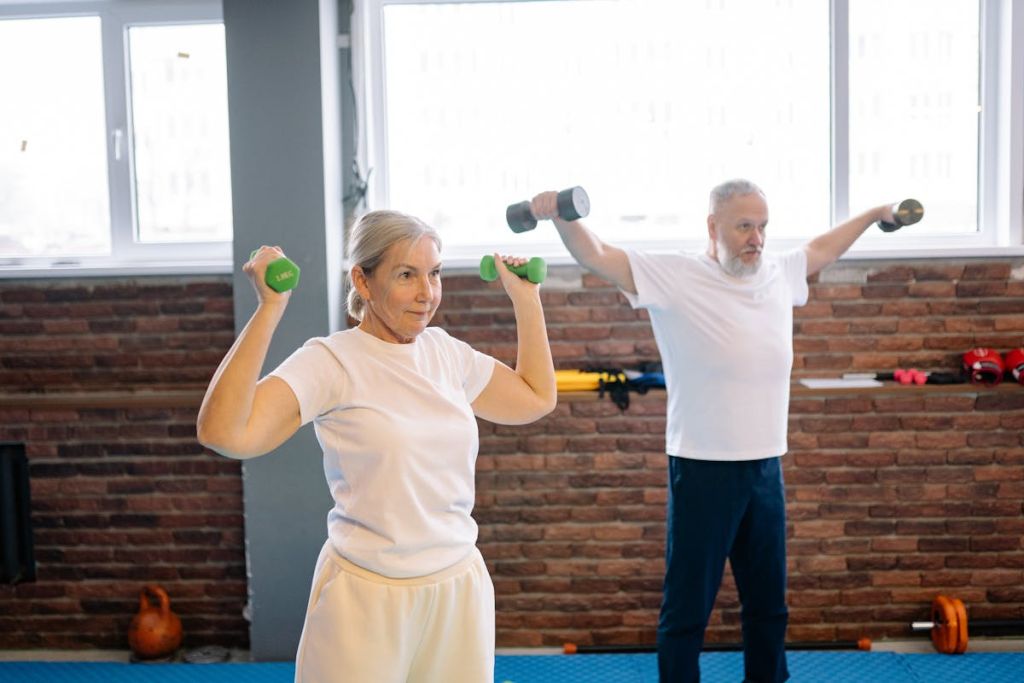
Resistance training is the single most effective intervention against it. Even people in their 80s and 90s build significant muscle and strength when they lift. The benefits compound:
- Muscle & strength: Reverses sarcopenia, keeps you carrying your own shopping and climbing your own stairs for decades longer.
- Bone density: Loading the skeleton signals it to lay down new bone, directly fighting osteoporosis — the cause of life-changing hip and spine fractures.
- Balance & falls: Stronger legs and core dramatically cut the risk of falls, the leading cause of injury death in older adults.
- Metabolic health: More muscle means better blood-sugar control and a lower risk of type 2 diabetes.
- Independence: The real prize — staying capable, mobile and self-reliant rather than dependent.
For Women: Drop The Fear Of Bulking
I’ve had this conversation hundreds of times. A woman wants to “tone up” but is terrified that if she touches a barbell she’ll wake up looking like a bodybuilder. Let me put it as plainly as I can: that is not going to happen.
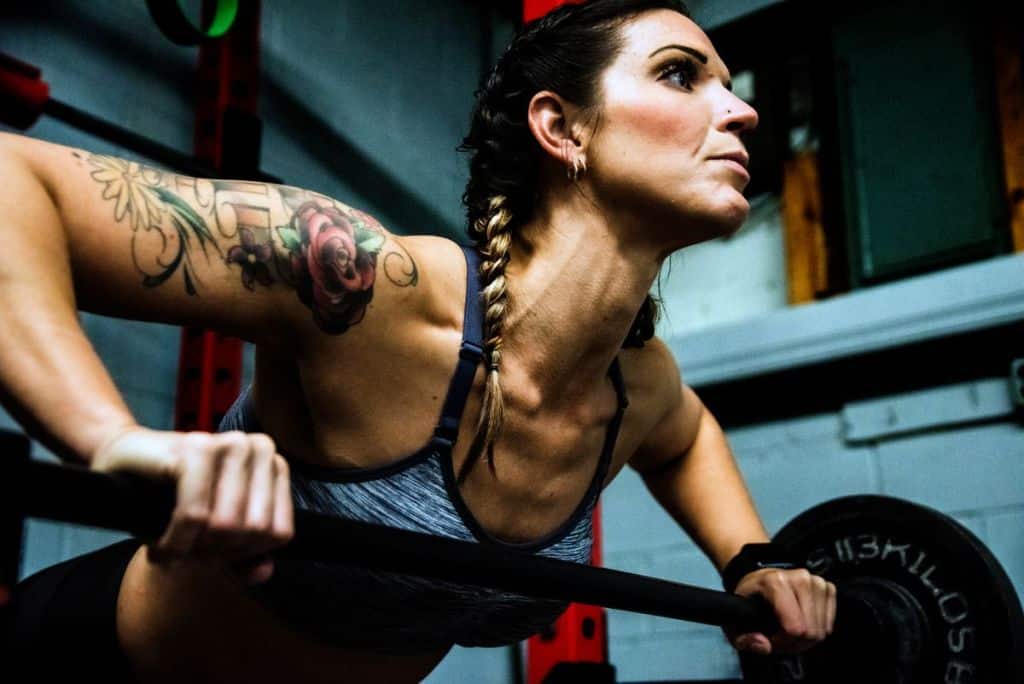
Women produce a fraction of the testosterone men do, which makes building large amounts of muscle extremely slow and deliberate — the women you see on stage train for years with surgical precision and often more besides. For the everyday woman, lifting weights doesn’t create bulk; it creates the exact look most women are actually after: firm, athletic, lean and shapely. “Toned” simply means having muscle and being lean enough to see it — and the only way to build that muscle is to lift.
What lifting actually does for women
- Shapes the body: Sculpts the glutes, shoulders and waistline in a way no amount of cardio can.
- Burns more fat: Muscle raises your resting metabolism, so you burn more calories even on the sofa.
- Builds bone: Critically important for women, who are at far higher risk of osteoporosis later in life.
- Boosts confidence: Getting strong is genuinely empowering — it changes how women carry themselves, not just how they look.
- Protects the future: The muscle and bone you bank in your 30s and 40s is what carries you through menopause and beyond.
Cardio will help you lose weight. Lifting changes the shape of the body underneath. If you want to look athletic rather than simply smaller, the weights room is where it happens.
Lifting Through Menopause
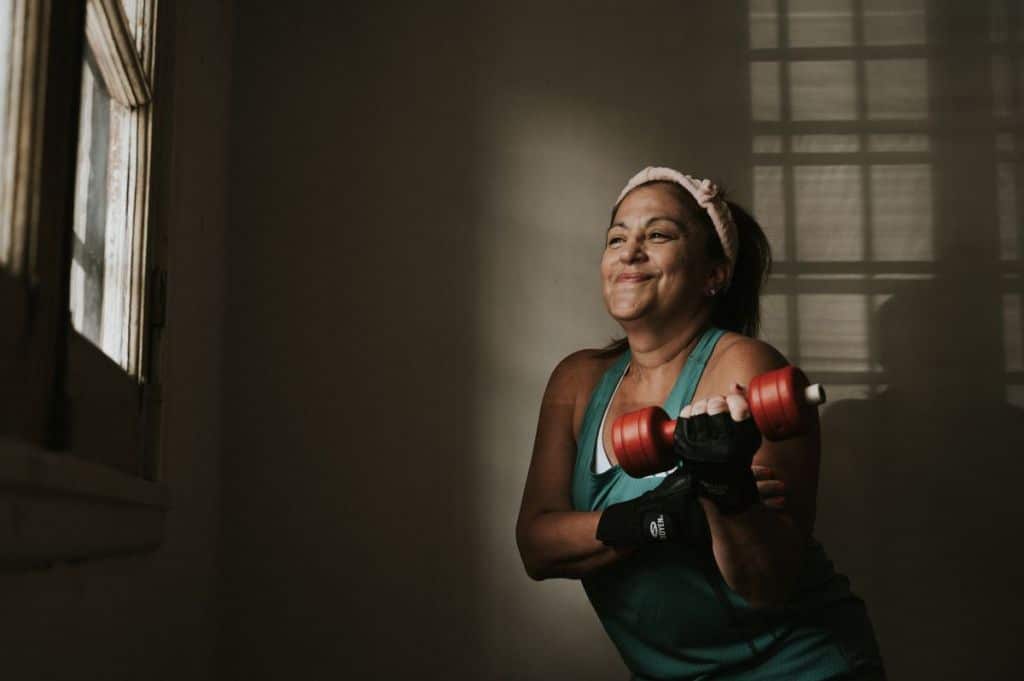
If there is one stage of life where strength training stops being a “nice to have” and becomes essential, it’s menopause. As oestrogen falls, women face a perfect storm: muscle is lost faster, bone density drops sharply, fat redistributes to the middle, metabolism slows, and mood and sleep often take a hit. Lifting weights pushes back against every single one of those changes at once.
Protecting your bones
The drop in oestrogen accelerates bone loss, and the years around menopause are when osteoporosis risk climbs fastest. Resistance and impact training is one of the few things proven to maintain and even improve bone density in postmenopausal women — supervised heavy-ish lifting has been shown to be both safe and effective for exactly this group.
Defending your muscle & metabolism
Falling oestrogen speeds up muscle loss, and less muscle means a slower metabolism and easier fat gain — especially the stubborn weight that settles around the midsection. Lifting preserves lean mass, keeps your metabolic engine running, and is far more effective than cardio alone for managing body composition through this transition.
Mood, sleep & energy
The hormonal swings of menopause hit mood, sleep and energy hard. Strength training is a proven, drug-free tool to ease anxiety and low mood, improve sleep quality, and restore a sense of strength and control at a time when many women feel their body is working against them.
For Looking Good — Building The Body You Want
Let’s be honest: for a lot of people, looking good is the reason they start. There’s nothing wrong with that — and lifting weights is the most reliable way to get there. Here’s the truth that the cardio-and-crash-diet crowd never tells you: dieting alone makes you a smaller version of the same shape. If you want to actually change your shape — flatter stomach, fuller shoulders, lifted glutes, defined arms — you have to build the muscle that creates those lines.
- “Tone” is just muscle + leanness: There is no special toning exercise — you build the muscle, then reveal it by losing fat. Lifting does the first job and helps with the second.
- Better body composition: Two people can weigh the same and look completely different. Muscle is denser and tighter than fat — it’s what makes a physique look athletic.
- The afterburn: Hard resistance training keeps your metabolism elevated for hours afterwards, helping you stay lean.
- Posture & presence: A strong back and core pull you upright. You stand taller, look more confident, and carry yourself better — at any weight.
The scale is a terrible judge of progress. Build muscle and lose fat and the number might barely move — while you drop dress or trouser sizes and look transformed. Train for the shape, not the scale.
The Mental Health Powerhouse
Of everything lifting does, this is the benefit I’m most passionate about — because I see it change lives. Strength training isn’t just good for the body; it’s one of the most effective things you can do for your mind. The evidence here is genuinely impressive: large analyses of clinical trials have found that resistance training produces a significant reduction in symptoms of depression and anxiety, with effects comparable to other established treatments.
Why it works
- Brain chemistry: Lifting releases endorphins and supports the brain chemistry tied to mood and motivation.
- Stress resilience: Training is a controlled dose of physical stress that teaches your body to handle stress better everywhere else.
- Confidence & mastery: Adding weight to the bar is undeniable proof you’re getting better at something — that sense of progress is powerful medicine for self-esteem.
- Better sleep: Regular lifters fall asleep faster and sleep more deeply — and good sleep underpins everything else about mental health.
- Structure & identity: Training gives shape to your week and a healthy identity to lean on: someone who shows up and gets stronger.
How To Start — A Simple Framework
You don’t need a fancy programme or hours in the gym. You need a handful of basics done consistently and made progressively harder over time. Here’s the framework I give beginners:
The strength-for-life blueprint
- Train 2–4 times a week: Even two full-body sessions a week delivers the vast majority of the benefits. Consistency beats intensity.
- Master the big movements: Build everything around a squat, a hinge (deadlift), a push (press), a pull (row) and a carry. These compound lifts give you the most return for your time.
- Progressive overload: The golden rule — gradually add weight, reps or sets over time. Muscle and bone only adapt when you keep asking a little more of them.
- Form first: Learn good technique before chasing heavy weight. Get coached early if you can — it’s the best investment you’ll make.
- Eat enough protein: Aim for roughly 1.6–2.2 g of protein per kg of bodyweight a day to build and repair muscle.
- Recover: Muscle is built between sessions. Prioritise sleep and don’t train the same muscles into the ground every day.
- Start where you are: Bodyweight, resistance bands, machines or dumbbells — all of it counts. The best programme is the one you’ll actually do.
Busting The Myths
FACT: Women’s hormone profile makes large muscle gains very slow and deliberate. Lifting makes most women leaner, firmer and more athletic — not bulky.
FACT: People in their 80s and 90s build measurable muscle and strength. The older you are, the more you have to gain — and to lose by not training.
FACT: Cardio burns calories but doesn’t build the muscle that shapes your body or protects your metabolism. The best results come from doing both — with lifting as the foundation.
FACT: Done with good form, resistance training strengthens joints, tendons and connective tissue, and is widely used to manage and prevent joint pain.
FACT: A pair of adjustable dumbbells or even your own bodyweight is enough to start building real strength at home.
Quick FAQ
How often should I lift?
Two to four sessions a week is the sweet spot for most people. Two well-run full-body sessions already deliver most of the benefit.
Will I lose my muscle if I stop?
Yes — muscle is “use it or lose it.” That’s exactly why this is a lifelong habit, not a 12-week project. The good news: muscle comes back faster than it’s built the first time.
Do I need to lift heavy?
You need to lift challengingly — the last couple of reps of a set should feel hard. That can be done safely with lighter weights and higher reps, or heavier weights and lower reps. Both build strength.
I’m a woman in menopause — is it safe to start now?
Not only safe — it’s one of the best things you can do. Start gradually, ideally with guidance on technique, then progress steadily. Your bones, muscle, metabolism and mood will all thank you.
How soon will I see results?
You’ll feel stronger and more energised within 2–4 weeks. Visible changes in shape typically show over 8–12 weeks of consistent training and sensible eating.
Key Takeaways
- Lifting weights is one of the most powerful things you can do for lifelong health — not just appearance.
- It fights sarcopenia and osteoporosis, protecting your strength, bones and independence as you age.
- Women should embrace it without fear — it builds an athletic, lean shape, not bulk.
- Through menopause it pushes back on bone loss, muscle loss, weight gain and low mood all at once.
- For looking good, it’s the only way to truly change your shape — not just shrink it.
- It’s a proven, drug-free tool for easing anxiety and depression and boosting confidence.
- Start at any age, with anything, twice a week — then progress. Consistency is everything.
Selected References
- World Health Organization. WHO Guidelines on Physical Activity and Sedentary Behaviour. 2020.
- Westcott WL. Resistance training is medicine: effects of strength training on health. Current Sports Medicine Reports, 2012.
- Cruz-Jentoft AJ, et al. Sarcopenia: revised European consensus on definition and diagnosis (EWGSOP2). Age and Ageing, 2019.
- Watson SL, et al. High-Intensity Resistance and Impact Training Improves Bone Mineral Density in Postmenopausal Women (LIFTMOR). Journal of Bone and Mineral Research, 2018.
- Hong AR, Kim SW. Effects of Resistance Exercise on Bone Health. Endocrinology and Metabolism, 2018.
- Gordon BR, et al. Association of Efficacy of Resistance Exercise Training With Depressive Symptoms: a meta-analysis. JAMA Psychiatry, 2018.
- Gordon BR, et al. The Effects of Resistance Exercise Training on Anxiety: a meta-analysis. Sports Medicine, 2017.
- Morton RW, et al. Resistance training, protein and muscle mass: a systematic review and meta-analysis. British Journal of Sports Medicine, 2018.
- Garcia-Hermoso A, et al. Muscular strength as a predictor of all-cause mortality: a systematic review and meta-analysis. Archives of Physical Medicine and Rehabilitation, 2018.
Disclaimer: This article is for general education and is not medical advice. If you have an existing health condition, are pregnant, or are new to exercise, speak to your GP or a qualified coach before starting a resistance-training programme.
Ready to get genuinely strong?
Bespoke training and nutrition from a 3× UK award-winning personal trainer — built around your body, your goals and your life stage.





“The closest thing we have to a longevity drug” — couldn’t agree more. I started lifting properly at 52 after years of just running, and the difference in how I feel day to day is night and day. Only wish I’d started 20 years earlier.
Love hearing this, Mark — 52 is a brilliant age to start, and the honest truth is you’ve got decades of strength still ahead of you. Keep going, you’ll never look back.
Really appreciate that you wrote specifically about women and menopause — so much strength training advice just ignores us completely. Forwarding this straight to my sister.
As a complete beginner this was exactly what I needed to read. Less intimidating than most of what’s out there. Thank you.
Bookmarked and sent straight to my dad. The bit about lifting into your 60s and 70s is exactly the nudge he needed — he’s always assumed weights weren’t ‘for him’. Brilliant piece.