
Fasting: The Body’s Reset Switch
How fasting affects insulin, blood sugar and fat loss — featuring Dr. Jason Fung, the doctor who brought fasting back into the mainstream conversation.
Fasting is one of the oldest dietary interventions in the world — and modern science keeps confirming what tradition long suspected: it can profoundly improve your health.
At the centre of the modern fasting revival is Dr. Jason Fung, a Canadian nephrologist (kidney specialist) who spent years watching type 2 diabetics deteriorate on the standard advice of “eat less, move more, take more insulin.” His landmark work — including The Obesity Code and The Complete Guide to Fasting — reframed obesity and type 2 diabetes as hormonal problems, driven primarily by insulin, rather than simple willpower failures.
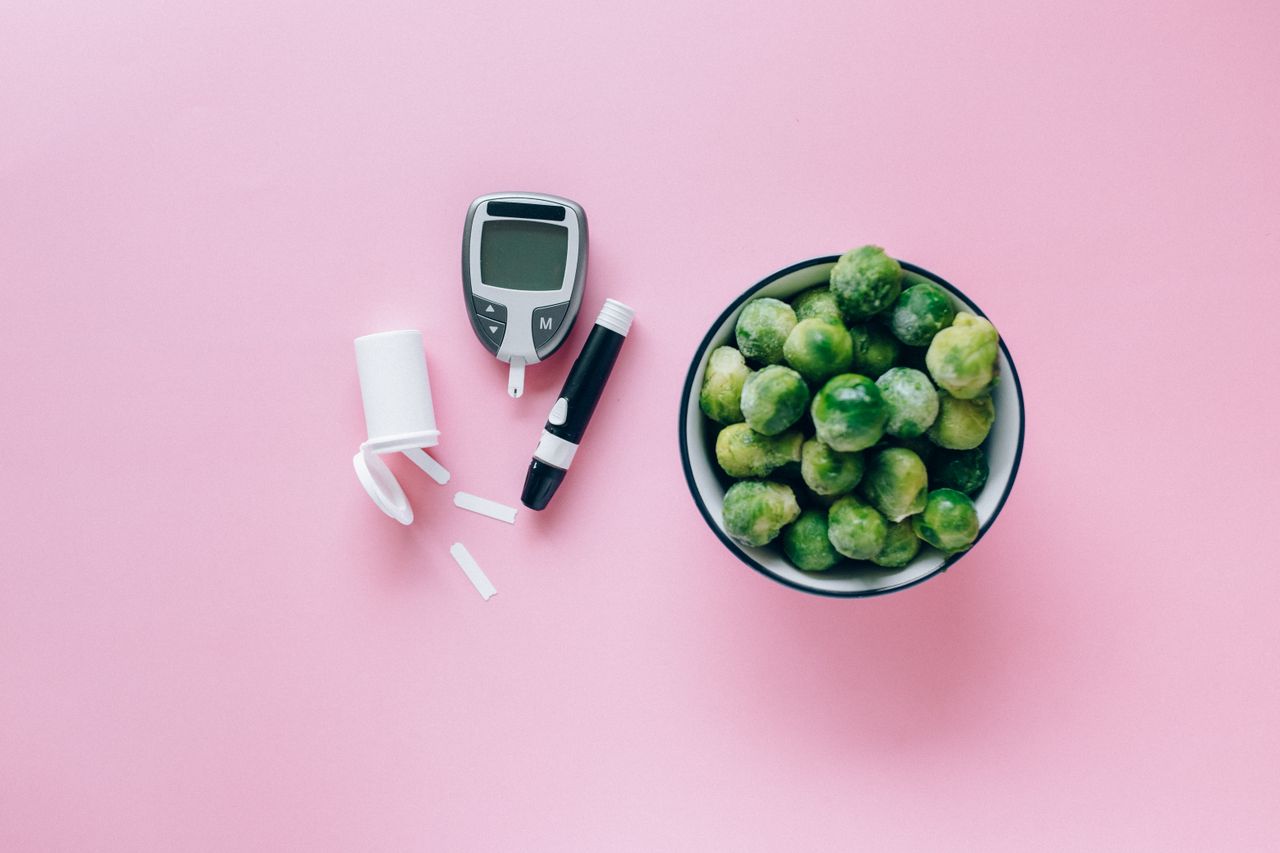
The Core Idea: It’s About Insulin
Every time you eat — especially carbohydrate — insulin rises to shuttle the energy away into storage. Eat constantly, as most of us do, and insulin stays constantly elevated. Over years, your cells stop listening: that’s insulin resistance, the engine behind type 2 diabetes, stubborn belly fat and much of modern metabolic disease.
Fasting attacks the problem at its root. When you stop eating for long enough, insulin finally falls — and with it, the body flips from storing energy to burning it:
- Insulin drops — giving insulin-resistant cells a chance to regain their sensitivity.
- Fat burning switches on — with no incoming food, the body draws down its own fat stores.
- Blood sugar stabilises — Dr Fung’s clinic has reported patients needing less diabetes medication over time, always under close medical supervision.
- Cellular clean-up (autophagy) ramps up — the body recycles damaged components, a process linked to healthy ageing.
- It’s simple and free — no products, no powders, no meal-replacement subscription.
How To Start Sensibly
You don’t need to leap into multi-day fasts. Most of my clients start with simple time-restricted eating — a 12-hour overnight fast, extended gradually to 16 hours (the popular “16:8” pattern) — and get meaningful results from that alone.
I’ve written a full series on exactly this: start with my Guide to Intermittent Fasting, then IF 101 for fat loss and IF 201: four popular protocols.
Disclaimer: This article is general education from a personal trainer, not medical advice, and it is not a substitute for care from your own doctor. Never change medication, or undertake extended fasting, without first consulting your GP or specialist — especially if you are diabetic, pregnant or breastfeeding, or on regular medication.
Free guide: The Intermittent Fasting Guide
Want fasting explained simply and honestly? Grab Pete’s free 15-page Intermittent Fasting Guide — the protocols compared, who it suits, who should skip it, and how to start safely. No email needed.
Download The Free Guide →Take back control of your metabolism
Nutrition coaching grounded in real science — built around your life, not a fad.
Book Your Free Consultation →