
NMN & The NAD+ Code
The honest, no-snake-oil biohacker's guide to NMN and the NAD+ precursor family — how they really work, why I take mine sublingually every single day, where TMG and niacin fit in, and the truth about NAD+, ageing and your skin.
Right then — let's talk about the molecule the longevity world has gone completely mad for: NAD+, and the little precursor I pop under my tongue every morning to top it back up: NMN.
I'm Pete, and if you've read my other rabbit-hole guides on methylene blue, red light therapy or creatine, you'll know exactly how I roll: I get genuinely excited about this stuff and I tell you the honest truth about what the science does — and doesn't — back up. NAD+ is one of the most important molecules in your entire body. NMN is one of the most hyped supplements on the planet. Both of those things are true at the same time, and that's where it gets interesting.
I take NMN in sublingual form — a dose held under the tongue — once every day. I'll explain exactly why I went that route, what I stack it with, and what's realistic to expect. Buckle up. Oushhhhh.

First, What On Earth Is NAD+?
NAD+ (nicotinamide adenine dinucleotide) is a coenzyme found in every single living cell you've got. Think of it as the universal currency your cells spend to stay alive. It does two huge jobs:
- Energy production: NAD+ is the shuttle that carries electrons through your mitochondria to make ATP — the energy that runs literally everything you do, from blinking to deadlifting.
- Repair & signalling: NAD+ is the fuel for two families of "longevity" enzymes — the sirtuins (your cellular housekeeping and DNA-protection crew) and PARPs (your DNA-repair pit crew). No NAD+, no repair. Simple.
Here's the kicker, and the reason this whole field exists: NAD+ levels fall as you age. Research suggests tissue NAD+ can drop by roughly half between your twenties and your fifties (Massudi et al., PLOS ONE, 2012). Less NAD+ means sluggish mitochondria, slower repair, more cellular "noise" — the stuff we feel as ageing. The whole NAD+ supplement movement is built on one simple, seductive question: what if we just… topped it back up?
So What Is NMN, Exactly?
You can't just swallow NAD+ itself very effectively — it's a big, fragile molecule that doesn't survive digestion well. So instead we take precursors: smaller building blocks your body assembles into NAD+. NMN (nicotinamide mononucleotide) is one step away from NAD+ on the assembly line. Your cells take NMN and, with an enzyme called NMNAT, click it straight into finished NAD+.
That "one step away" closeness is exactly why NMN became the darling of the longevity crowd — champions like Harvard's Professor David Sinclair put it firmly on the map. It's the precursor I personally use.
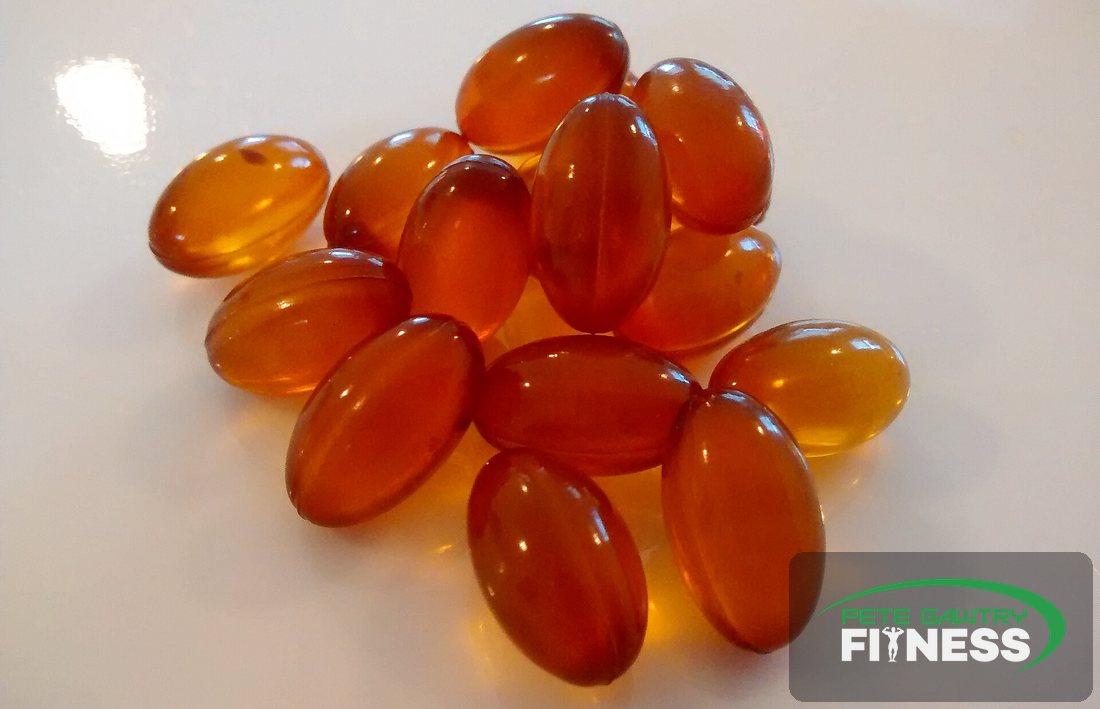
Meet The Whole NAD+ Precursor Family
NMN gets the headlines, but it's one member of a family — and they all end up at the same destination (NAD+) by slightly different roads. Knowing the cast list is what separates someone who actually understands this from someone just parroting a YouTube video.
| Precursor | What it is | The honest take |
|---|---|---|
| NMN Nicotinamide mononucleotide | One step from NAD+. | The longevity favourite. Strong human data that it raises NAD+. My personal pick. |
| NR Nicotinamide riboside | Converts into NMN, then NAD+. | The most studied of the lot in humans, patented (Niagen). NMN and NR raise NAD+ to a similar degree. |
| Niacin Nicotinic acid (Vitamin B3) | Old-school NAD+ route via the Preiss-Handler pathway. | Dirt cheap, proven to raise NAD+, but causes the famous "niacin flush". Also has real cholesterol effects. |
| Nicotinamide Niacinamide (NAM) | The other form of B3; the recycling route. | Cheap and gentle (no flush). The topical skincare hero — more on that below. |
| Tryptophan | The amino acid your body builds NAD+ from, from scratch. | Why a protein-rich diet matters. Slow and inefficient, but it's the original source. |
The big-picture point: NMN and NR are the two "designer" precursors the longevity world spends its money on, while niacin and nicotinamide are the cheap, proven, old-fashioned B3 vitamins that have been raising NAD+ for decades. None of them is magic. All of them feed the same tank.
Why I Take Mine Sublingually
This is the bit people get tribal about, so here's the honest version. The theory behind sublingual dosing (powder or a fast-dissolve tablet held under the tongue) is that some of the NMN absorbs directly through the thin, blood-rich tissue in your mouth — bypassing the gut and the liver's "first pass", where a chunk of an oral dose gets broken down before it ever reaches your cells.
It's a genuinely sensible idea — it's exactly how vitamin B12 and some hormones are dosed. But let me be straight with you: the hard human pharmacokinetic data comparing sublingual NMN head-to-head with capsules is still thin. Most published human trials used oral capsules or powder. So sublingual is a rational bet, not a proven slam-dunk.
TMG — The Methylation Insurance Policy
Here's the one almost nobody tells beginners, and it's important. When your body uses up NAD+, it produces a waste product called nicotinamide (NAM). To clear excess NAM safely, your body slaps a methyl group on it (turning it into N1-methylnicotinamide) and pees it out. That process spends methyl groups — the same currency your body needs for hundreds of other jobs, including managing homocysteine and supporting mood, detox and DNA.
The worry: hammer big daily doses of NMN and you might be quietly draining your methyl pool. The fix biohackers reach for is TMG (trimethylglycine, also called betaine) — a molecule that donates three methyl groups and helps top the tank back up.
The NMN + TMG Logic
NMN spends methyl groups → TMG is a methyl donor → pairing them is the "insurance policy" against methyl depletion. The biochemical rationale is sound and the safety profile of TMG is friendly. The hard evidence that you need it is still developing — but at a few hundred milligrams to a gram a day, it's cheap peace of mind that plenty of us choose to run alongside.
Niacin & NR — The Other Roads In
If NMN is the trendy route, niacin is the OG. Plain nicotinic acid reliably raises NAD+ and has decades of human use — the catch is the legendary niacin flush (hot, red, prickly skin for 15–30 minutes) and the fact that high doses have genuine drug-like effects on blood lipids, so it's not something to mega-dose casually.
NR (nicotinamide riboside) is NMN's close cousin and arguably has the deepest bank of human safety studies of any designer precursor. Your body actually converts NR into NMN on the way to NAD+. Head-to-head, NMN and NR raise circulating NAD+ to broadly similar degrees — so a lot of the "NMN vs NR" internet war is two roads arriving at the same town.
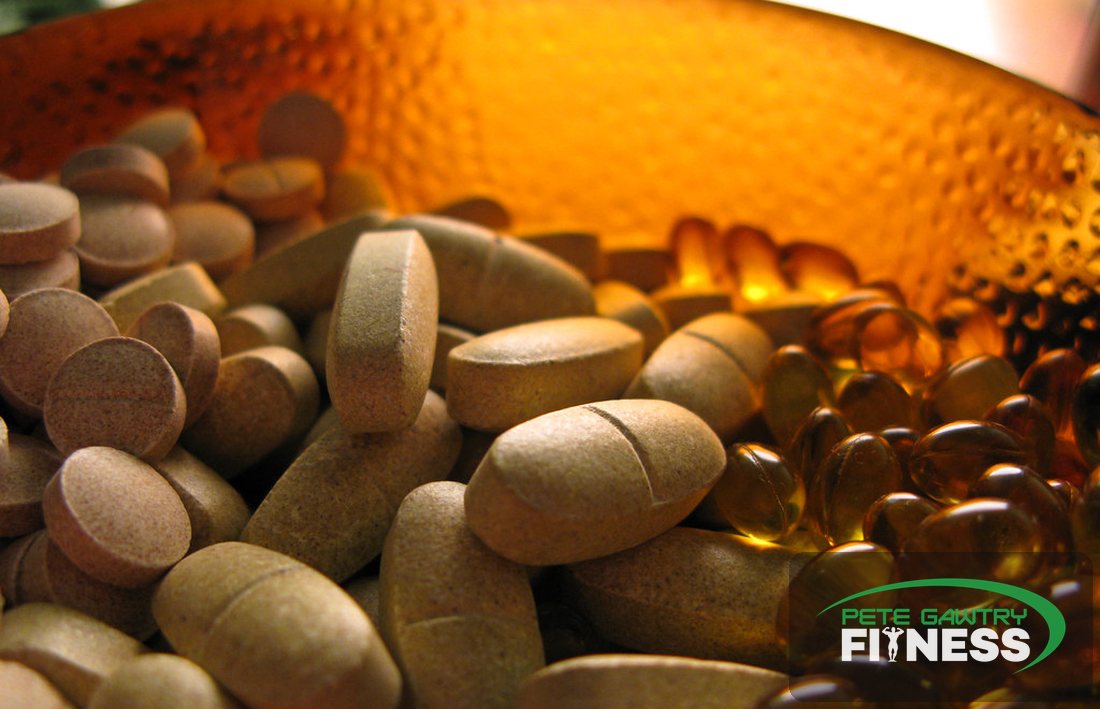
The Anti-Ageing Case — What's Real
This is why we're all here. The anti-ageing argument for NAD+ isn't woo — it's mechanistically beautiful. Restore NAD+ and you potentially restore the things that decline with it:
- Mitochondrial energy: more NAD+ = better electron transport = more ATP. In plain English: more cellular energy, which is exactly what tends to fade with age.
- Sirtuin activation: sirtuins are the "guardian" enzymes tied to DNA stability, inflammation control and metabolic health — and they're completely NAD+-dependent. Low NAD+, sleepy sirtuins.
- DNA repair (PARPs): every day your DNA takes hits. The PARP repair crew runs on NAD+. Keep the tank full and the pit crew keeps working.
The honest scorecard: in animals, NAD+ boosting is genuinely impressive — better endurance, metabolic improvements, even some "youthful" reversals. In humans, the picture is more measured but real and growing. Trials reliably show NMN and NR raise NAD+. A 2022 randomised controlled trial in older adults (around 250 mg/day) reported improvements in sleep quality and daytime drowsiness. Other studies show better insulin sensitivity in specific groups, improved muscle function and walking endurance in some older cohorts, and reduced fatigue. What we don't yet have is proof it makes humans live longer — nobody's run the 30-year study. So: very promising, biologically sound, not yet a guarantee. That's the truth.

NMN, NAD+ & Your Skin — The Crow's Feet Question
Now the question I get asked the most: "Pete — will it get rid of my crow's feet?" Here's the genuinely interesting, honest answer, because there are two very different things going on.
Topical B3 (Niacinamide) — the strong evidence
The most proven skin link in the whole NAD+ family isn't NMN at all — it's niacinamide, the B3 precursor, applied to the skin. This is properly evidenced, not hype:
- Classic randomised, vehicle-controlled studies of 5% niacinamide showed measurable reductions in fine lines, wrinkles and blotchiness over 8–12 weeks in women aged 40–60 (Bissett et al., Dermatologic Surgery, 2005).
- A 2023 split-face study found niacinamide (combined with a complementary complex) significantly improved crow's feet roughness and facial sagging (Majewski et al., Journal of Cosmetic Dermatology, 2023).
- Topical formulas that raise skin NAD+ have been shown to thicken the epidermis and improve UV-damaged skin in clinical use.
The mechanism makes sense: B3 in the skin supports NAD+, stimulates collagen and elastin, strengthens the skin barrier and calms inflammation — all the things that smooth fine lines around the eyes.
Oral / high-dose NMN for skin — the emerging, anecdotal bit
Now, the part the biohacker crowd gets excited about: the idea that taking NMN orally, especially at higher doses, raises NAD+ system-wide enough to visibly plump skin, boost collagen and soften crow's feet from the inside out. The logic tracks — skin is a high-turnover organ that loves NAD+ — and there are early studies plus a lot of glowing anecdotal "my skin looks years younger" reports from high-dose users.

Pete's Honest Protocol
This is what I actually do and how the savvy crowd tends to run it. It's information, not a prescription — see the warning box below.
- NMN: a daily dose taken sublingually first thing in the morning, on an empty stomach. Common ranges run 250–1000 mg/day; the human trial data sits comfortably around 250–500 mg.
- TMG: ~500 mg–1 g alongside it, as methylation insurance (see above).
- Timing: morning suits NAD+'s natural daily rhythm — it's involved in your body clock, so most people avoid taking it late at night.
- Stack-mates: it sits naturally with the rest of my longevity kit — creatine, omega-3s, vitamin D3+K2, magnesium, and the red light / sauna routines.
- The foundation first: here's the bit the supplement bros skip — sleep, resistance training, sorting your protein and not being overfat raise NAD+ too, for free. Fasting and exercise are legit NAD+ boosters. Supplements are the cherry, not the cake.
Myths vs Reality
Reality: It reliably raises NAD+ and shows real benefits in trials, but no human study has proven extended lifespan. Healthspan signals > lifespan proof, for now.
Reality: They raise NAD+ to broadly similar levels. The "war" is mostly marketing. Pick one you trust and dose it consistently.
Reality: The methyl-depletion concern is biochemically real. TMG is cheap insurance — the evidence it's strictly necessary is still developing, but the logic is sound.
Reality: Topical niacinamide has the wrinkle evidence. Oral NMN for skin is promising and popular but not yet proven. Do both, expect support not magic.
The Important Caveats
This is education, not medical advice. I'm a coach and a keen biohacker, not your doctor. Before starting NMN or any precursor, talk to a qualified medical professional — especially if you:
- are pregnant or breastfeeding
- have a current or past cancer diagnosis (NAD+'s role in cell growth means caution is sensible until more is known)
- take prescription medication (niacin in particular interacts with lipid and blood-pressure meds)
- have liver or kidney conditions
Frequently Asked Questions
How long until I notice anything?
NAD+ levels can climb within days to a couple of weeks. Subjective changes (energy, sleep, recovery) are highly individual — some feel it in a fortnight, some feel nothing obvious and run it for the long-game cellular benefits. Give it 8–12 weeks before you judge.
NMN or NR — which should I pick?
Either is a reasonable choice; they raise NAD+ similarly. NR has the deepest human safety record; NMN is the longevity-world favourite and what I use. Consistency and product quality matter more than the badge.
Do I really need TMG?
Not strictly, but it's cheap, safe and addresses a real biochemical concern about methyl depletion. Many of us run it as insurance. If you eat plenty of choline/betaine (eggs, beetroot, spinach) you've already got a head start.
Can I just take cheap niacin instead?
You can raise NAD+ with niacin for pennies — but expect the flush, and respect that high-dose niacin has real drug-like effects on blood lipids. It's a tool, not a free lunch. Nicotinamide (niacinamide) is the gentle, no-flush B3 cousin.
What's the single best free way to raise NAD+?
Exercise, fasting and quality sleep. Genuinely. Resistance training and a bit of metabolic stress upregulate your own NAD+ machinery. Sort the basics first — that's where the biggest wins live.
The Bottom Line
NAD+ is one of the most important molecules in your body, it falls as you age, and NMN is a sound, well-tolerated way to help top it back up — one I take sublingually every day, paired with TMG and built on top of training, sleep and proper nutrition. The energy, sleep and metabolic signals in humans are real and growing. The lifespan claims and the "erase your crow's feet" promises are ahead of the evidence — so enjoy the genuine upside, keep your expectations honest, and remember no capsule replaces the work.
Want help building the foundation that makes any of this actually pay off — the training, the nutrition, the habits? That's exactly what I do. Let's talk.
References & Further Reading
- Massudi H, et al. Age-associated changes in oxidative stress and NAD+ metabolism in human tissue. PLOS ONE, 2012.
- Igarashi M, et al. / Kim M, et al. Randomised controlled trial of NMN (~250 mg/day) on sleep quality and fatigue in older adults, 2022.
- 2024 human trial directly comparing three NAD+ precursors — NMN and NR each raised blood NAD+ roughly two-fold over 14 days.
- Yang Y, et al. Updated review of the mechanisms and clinical comparisons of NMN and NR. Food Frontiers, 2025.
- Bissett DL, et al. Niacinamide: a B vitamin that improves ageing facial skin appearance. Dermatologic Surgery, 2005.
- Majewski G, et al. Niacinamide improves crow's feet wrinkles and facial sagging (split-face study). Journal of Cosmetic Dermatology, 2023.
- US FDA position (2022): NMN excluded from the dietary-supplement category in the United States.
Image credits (used under their respective licences): athletic woman — Shixart1985 (CC BY 2.0); muscular physique — InfoWire.dk (Public Domain Mark); softgel capsules — Mx. Granger (CC0); supplement tablets — bradley j (CC BY 2.0); active group training — U.S. Army (public domain). All sourced via Wikimedia Commons / Openverse and overlaid with the Pete Gawtry Fitness mark.
Train Smart. Age Strong.
Supplements are the cherry — training, nutrition and habits are the cake. Let's build yours.
Book Your Free ConsultationDisclaimer: This article is for educational purposes only and is not medical advice. NMN and other NAD+ precursors are supplements, not treatments for any condition. Always consult a qualified healthcare professional before starting any new supplement, particularly if you are pregnant, breastfeeding, have a medical condition or take medication. Individual results vary.