
Why Resistance Training Belongs in Your Weight Loss Plan
Dieting alone makes you smaller — lifting makes you leaner, stronger and keeps the weight off.
Type “how to lose weight” into Google and the answer comes back the same every time: do more cardio. Run, cycle, spin, sweat it off. It’s the most common advice in fitness — and it’s backwards.
That’s the whole game, and everything below explains why. If you take one thing from this page, take that line.
Why cardio alone leaves you “skinny-fat”
When you try to lose weight on cardio alone, you generally lose both fat and muscle. Strip away lean muscle — especially while you’re cutting calories — and you slow your metabolism down, so the weight gets harder to shift and easier to pile back on. You end up a smaller version of the same shape: lighter on the scale, but soft rather than lean.
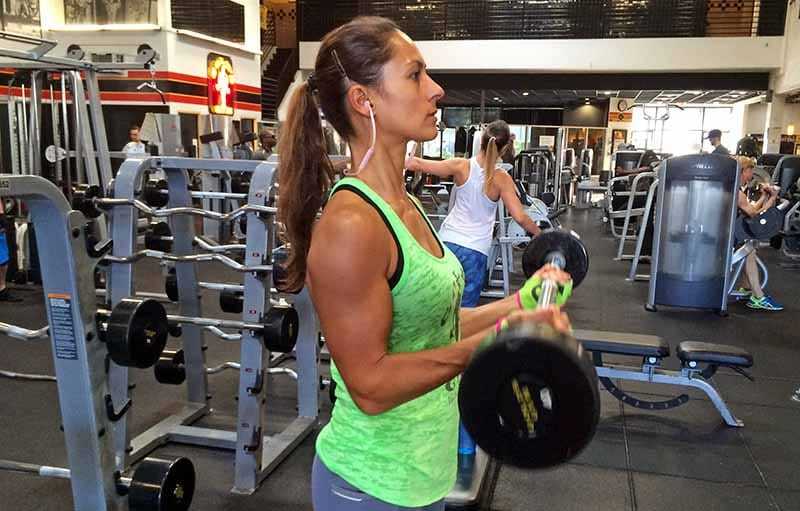
Resistance training does the opposite. It builds and protects the muscle that keeps your metabolism running — burning calories around the clock, even when you’re on the couch watching Netflix after a session. That muscle is also what creates shape: the flatter stomach, the fuller shoulders, the lifted glutes, the defined arms. Cardio can’t build any of that. Only lifting can.
And if you’re diabetic or heading that way, resistance training increases insulin sensitivity too — making both your blood sugar and your weight easier to manage.
So let me clear up the worries I hear most.
“But I don’t want to get bulky”
This is the fear I hear most, especially from women — and I get it. You want to get lean and fit, not look like a bodybuilder. The truth: you won’t. Building serious size takes years of heavy, deliberate training and a lot of food on purpose. Trust me — I’ve spent a career chasing muscle and I know exactly how hard it is to put on. It does not happen by accident from lifting a few times a week. What lifting does give you is firm, athletic and shapely — the look most people are actually after.
“But I burn more calories in a cardio session”
You might — while you’re doing it. But that’s not the whole story. A hard resistance session keeps your metabolism elevated for up to 72 hours afterwards, and the muscle you build keeps burning calories for life. Cardio burns calories for the hour you’re sweating. Muscle burns them every hour you’re alive.
“But I want results now”
Don’t we all. But crash diets and hours of frantic cardio aren’t sustainable — you risk wrecking your metabolism and piling the weight straight back on. Think of the contestants on shows like The Biggest Loser: most regain the weight, and many do lasting damage to their metabolism. Aim for no more than 1–2 lb a week (a little faster if you’re 40+ lb overweight) and build something that lasts.
One more thing: when you train this way, the scale can stall even as your waistline shrinks — because you’re losing fat while holding or building muscle, and muscle is denser than fat. Don’t panic. Judge progress by the mirror, your clothes and the tape measure, not just the number under your feet.
So where does cardio actually fit?
I’m not anti-cardio. Your heart and lungs love it, it’s great for recovery and stress, and a daily walk is one of the best fat-loss habits going. But be clear on its job: cardio is an optional extra for your health and a few more calories out — not the engine of fat loss. You do not need to grind out hours of steady-state running to get lean.
The engine is this: lift hard, eat right. Lifting builds the body you want to see in the mirror; the right nutrition strips the fat that’s hiding it. Get those two right and you’ll change shape whether or not you ever set foot on a treadmill. Everything else is detail.
Ready to get to work?
Private 1-2-1 coaching in my Scarcroft studio — training, nutrition and accountability built around you.
Book Your Free Consultation →