
Is Reformer Pilates Actually Worth It?
UK reformer Pilates studios have grown by 948 percent in a year. An honest look at what the trend gets right, where the real safety concerns come from, and what it can’t do for your body long term.
Three new reformer Pilates studios have opened within a mile of my place in the last year. I actually counted. If you’ve been anywhere near a high street or Instagram lately, you’ll have seen the same thing wherever you live.
A good number of my own clients do reformer classes alongside what we do together, and most of them enjoy it. So let me be straight from the start: this isn’t a piece about Pilates being rubbish. It isn’t. But there’s a safety conversation happening in the industry right now that most studios won’t bring up themselves, and there’s a training conversation too, about what reformer Pilates can’t do however good the studio is. Both are worth knowing before you hand over your money, and your body, to somewhere new.
The Numbers Behind The Boom
Pilates Studios UK’s 2026 industry report counted 1,981 verified UK studios, and every single one of them, 100 percent, now offers reformer classes. Between 2024 and 2025 alone, the number of studios grew by 948 percent. That isn’t a typo, I checked it twice myself. Globally, the reformer Pilates market is projected to go from $7.6 billion in 2025 to $16.8 billion by 2035. Whatever your view on it, reformer Pilates isn’t a passing trend anymore. It’s just what a lot of high streets look like now.
What It’s Actually Good For
Credit where it’s due first. The spring based resistance in reformer work is controllable in a way a barbell isn’t. It builds real core control and body awareness, the kind of thing a lot of gym training skips straight past. You can load a movement gently and take the load away just as gently the moment something doesn’t feel right. That makes it a useful tool for someone coming back from injury, or anyone who’s spent years disconnected from their own core and needs to relearn how to brace and breathe before taking on anything harder.
The breath work is real too, not just wellness dressing around the edges. Learning to coordinate breath with movement under light load carries over into how you lift, how you run, how you carry your kids up the stairs when your arms are already full of shopping.
I’ve had clients use reformer Pilates as a bridge back from a back injury, or during and after pregnancy, and it’s done exactly what it’s meant to do: rebuilt confidence in movement without loading them up before they were ready. Used like that, alongside proper strength work rather than instead of it, it earns its place.
Where It Falls Short
Here’s the bit that doesn’t make it into a studio’s Instagram captions. A client of mine did reformer Pilates three times a week for the best part of a year. She loved it, felt stronger, felt toned, and by every subjective measure it had worked. When we sat down and did a proper strength assessment together, the numbers told a different story. Her grip strength, her ability to squat her own bodyweight with good form, her pushing and pulling strength, none of it had moved much in twelve months of consistent training. She wasn’t weak to start with. She just hadn’t been training in a way that asks the body to get stronger. Reformer Pilates had made her feel controlled and capable within a fairly narrow, low-load range. It hadn’t built the kind of strength that protects your joints, your bones, and your independence as you get older.
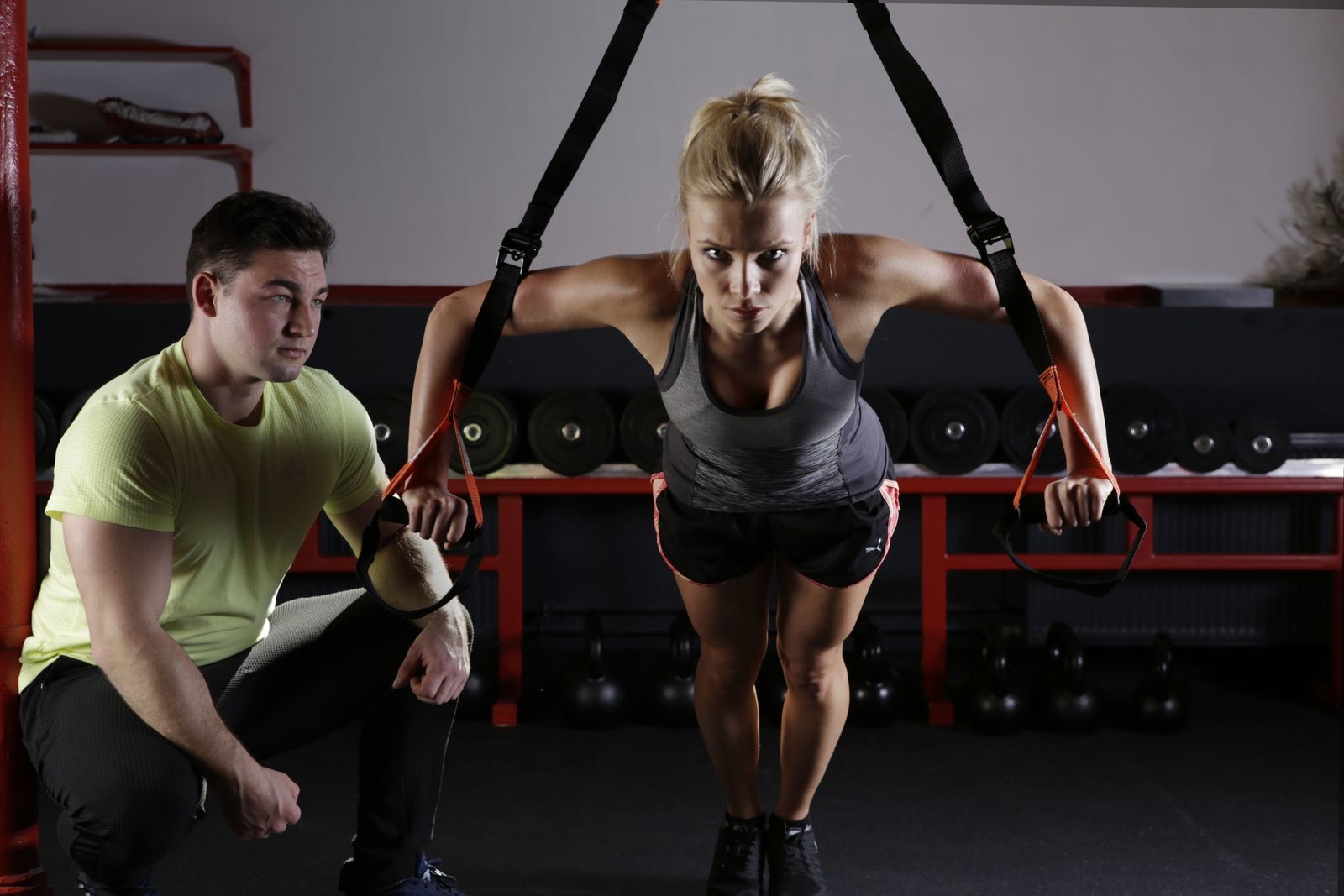
If reformer Pilates is one part of an active life that also includes some proper resistance training, running, or sport, none of this is a problem. But if it’s your only form of exercise and you’re over 40, I don’t think it’s doing what you actually need it to do. Bone density and muscle mass both decline with age. The way you fight that is progressive overload, asking a muscle to do a bit more than it’s comfortable with, regularly, over months and years, so your body has a reason to hold onto the muscle and bone it’s got. Reformer springs are adjustable, but they cap out a long way short of the load a body needs to keep adapting once you’ve been training for a while.
I’ve written before about why lifting weights in your 40s and 50s matters more than almost anything else you can do for long term health, and reformer Pilates alone doesn’t get you there. The same goes for women over 40 specifically, where the bone density conversation matters even more.
None of that makes reformer Pilates pointless. It makes it incomplete on its own, which is a different thing entirely.
The Safety Problem Nobody’s Advertising
The other conversation getting louder is about safety, and it’s worth taking seriously precisely because it isn’t coming from people who dislike Pilates. The Guardian and the Evening Standard have both reported rising numbers of injuries linked to the boom, and most of the people raising the alarm are instructors and studio owners themselves.
Georgia Testa, who founded Studio 281, points to the training pipeline: online qualifications, single-weekend training courses, and course structures that simply don’t include enough in-person practical hours. The instructor Aimee Victoria Long has made a similar point about what proper teaching actually takes, understanding biomechanics, alignment, breath work, and how to modify a movement around an injury, built up over years rather than a weekend. HFE, a fitness training company, put it plainly: legal cases and personal injury claims related to reformer Pilates are increasing.
The case that’s had the most coverage is the violinist Maya Meron, who suffered a severe abdominal injury, a fractured elbow, and nerve damage at a London studio, Heartcore, an injury serious enough to stop her playing professionally for a period. That’s an extreme example, but it’s exactly the kind of story that should make anyone booking into an unfamiliar studio ask more questions than usual.
Overcrowding is the specific mechanic behind a lot of this. Cram enough reformer beds into one room and a single instructor physically cannot see, let alone correct, everyone’s form at the same time. Lottie Anderson, who founded Bondi Rise, caps her own studio at eight beds for exactly this reason. That’s a business deliberately trading revenue for actual supervision, and it tells you something that she felt the need to make that call publicly.
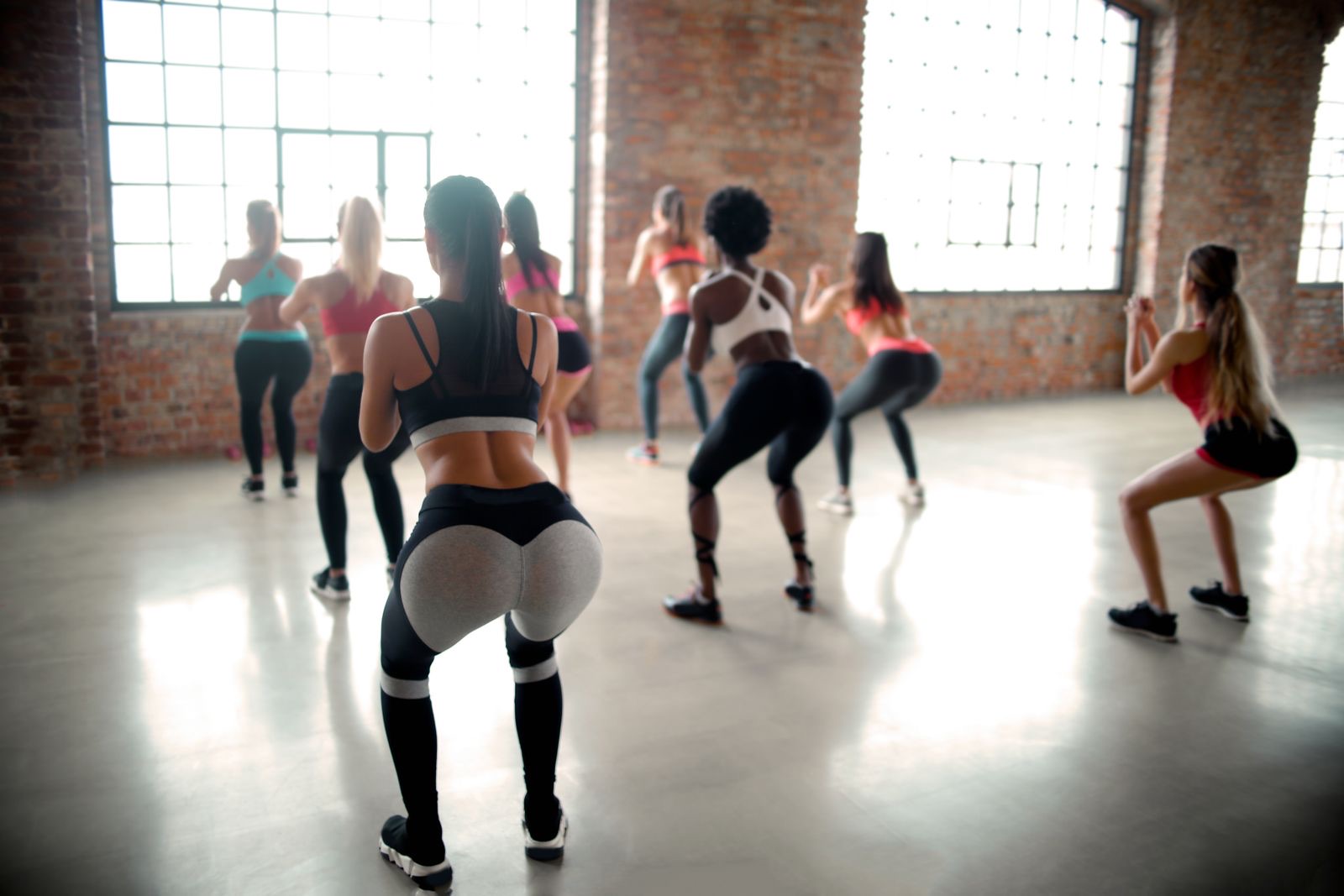
I’ve seen the sharp end of this too. Someone I coach picked up a nagging shoulder niggle after a few months of reformer classes at a packed-out studio, one instructor drifting between rows without ever really stopping at anyone. Nobody had corrected the shoulder position she’d been loading wrong for weeks. There was no dramatic moment, just a slow ache that built up until it started affecting her sleep. When we worked through it together one to one, it took about 15 minutes to spot what was going wrong and change it. That’s what one to one correction gives you: someone watching closely enough to catch a small problem before it becomes a big one. A room with one instructor and 20 beds cannot offer that, however good the instructor is.
There’s also a fair bit written about the price and the aesthetic around this, the £25 to £35 a class in London, less regionally, the leggings and the so-called Pilates princess Instagram feed. I’ll leave that argument to people more interested in it than me. My concern is what happens to your body, not what you’re wearing while it happens.
What I’d Actually Do
If you enjoy reformer Pilates, keep doing it. It’s genuinely good for core control, body awareness, and controlled movement in a joint-friendly range, and it pairs well alongside other training rather than replacing it.
Use it alongside proper resistance training, not instead of it. Two reformer sessions and two sessions of progressive strength work most weeks gives you the control and body awareness from one and the actual strength and bone density stimulus from the other. If you’re worried you need to train every single day to make any of this count, you don’t. This piece goes into why cramming everything in is its own way of getting hurt.
Before you book a block of classes with a studio or instructor you’ve never met, ask three things. What’s their actual qualification level, and how many hours of supervised, in-person practical training did it involve, not just an online module. How many beds are in the class you’re booking, and realistically, how much individual correction can one instructor give across that many people in an hour. And does the studio do anything at all to check your movement history before putting you in a group class, a past injury, a surgery, a pain pattern, or do you just turn up and get put on a machine next to a stranger.
A studio worth its fee will answer those questions properly. If it gets cagey, that tells you something too.
If what you actually want is to build real strength, hold onto muscle as you age, and protect your bones, reformer Pilates isn’t the tool for that job on its own. My complete guide to lifting weights covers what is.
Quick FAQ
Is reformer Pilates a good workout?
Yes, for what it does. It’s controlled, low impact, and genuinely useful for core control and body awareness. It isn’t a substitute for progressive strength training.
Can reformer Pilates build muscle?
To a small degree, especially if you’re starting from very little. It won’t keep building muscle or bone density the way progressive resistance training does once your body has adapted to whatever load the springs can offer.
Is reformer Pilates safe?
Mostly, in a well-run studio with a sensible class size and a properly trained instructor. The rising injury reports linked to the boom are mostly tied to overcrowded classes and underqualified instruction, not the exercise itself.
How many beds should a reformer class have?
There’s no official limit, which is part of the problem. Studios that take supervision seriously tend to cap it well below what the room could physically fit. Ask before you book.
Should I do reformer Pilates instead of weight training?
I wouldn’t. Alongside it, yes. Instead of it, no, particularly once you’re past about 40 and muscle and bone density become something you actively have to fight to keep. If time is genuinely the obstacle rather than motivation, exercise snacks can cover more ground than people expect, so it’s worth ruling that out before you drop strength training altogether.
Key Takeaways
- UK reformer studios grew 948 percent between 2024 and 2025, and demand isn’t slowing down.
- Reformer Pilates is genuinely good for core control, breath work, body awareness, and controlled, rehab style movement.
- On its own it doesn’t provide enough resistance overload to build or maintain real strength and bone density, especially past 40.
- Rising injury reports are mostly linked to overcrowded classes and underqualified instructors, not the method itself.
- Ask about qualification hours, class size, and whether a studio checks your movement history before you book a course.
- It works best alongside proper strength training, not instead of it.
If you want help working out where reformer Pilates fits around real strength training, or you’d just like someone to look honestly at what you’re doing, that’s what I do all day. I coach from my studio at Suite 1, Arena Business Park, Tarn Lane, Leeds, LS17 9BF, and I coach people online from anywhere in the UK from £100 a month if getting to Leeds isn’t practical. No hard sell, just get in touch if you’d like a second opinion, or take a look at prices or online coaching if you’d rather see the detail first.
One Part Of The Plan, Not The Whole Thing
Reformer Pilates and real strength work aren’t rivals — they just do different jobs. 1-2-1 coaching at the studio in Suite 1, Arena Business Park, Tarn Lane, Leeds, LS17 9BF, or online across the UK. 12 awards, 4× UK’s Best PT.
Book a Free Consultation →